
Bambu Lab A1 3D Printer, Ready-to-Use FDM 3D Printer for Beginners and Kids
4.7Editor score
Full auto calibration included
High speed precise printing
Quiet operation design
Compare the top 3D printers for engineering prototypes. This guide reviews ten models featuring multi-material systems, high speeds, and large build volumes
Engineering teams need reliable tools to turn designs into physical parts quickly. A capable 3D printer accelerates iteration and reduces development costs significantly. The right machine ensures dimensional accuracy and material versatility for functional testing.
We evaluated ten top models based on build volume, speed, and material compatibility. Our analysis focuses on features that matter for professional workflows like tool changing and chamber heating. Each pick offers unique strengths for different prototype requirements.
Every review highlights specific capabilities and potential trade-offs for engineering users. We detail how each printer handles complex materials and large parts efficiently. Prices vary frequently so verify current listings before making a final purchase decision.
4.7Editor score

3.5Editor score

4.4Editor score
This comparison table lists every model reviewed in this guide side by side. Use it to quickly compare build volumes speeds and key features like heated chambers or multi tool systems for your specific engineering needs.




The Original Prusa XL leads our list with its industrial grade capabilities and large format output. It earns top marks for teams needing reliable multi material printing without sacrificing build size. Its segmented heating system ensures consistent results across large parts.
We may earn a commission when you buy through this link, at no additional cost to you.
This printer supports complex prototypes through intelligent tool switching that minimizes purge waste. The CoreXY motion system maintains accuracy even during high speed operations. Integration with PrusaSlicer streamlines workflows for professional engineering environments.
While assembly requires handling fragile parts separately it is designed for quick setup. The higher cost reflects its professional durability and support network. For studios needing scale and precision this investment pays off over time.
Buy this if you require large scale production with multi material capabilities. It is ideal for engineering teams needing robust performance and expert support. The ecosystem ensures long term reliability for demanding prototyping tasks.
Intelligent tool switching enables complex prints with soluble supports and varied materials without manual intervention.
Built for studios and teams requiring consistent large format output with energy efficient heating zones.
We may earn a commission when you buy through this link, at no additional cost to you.
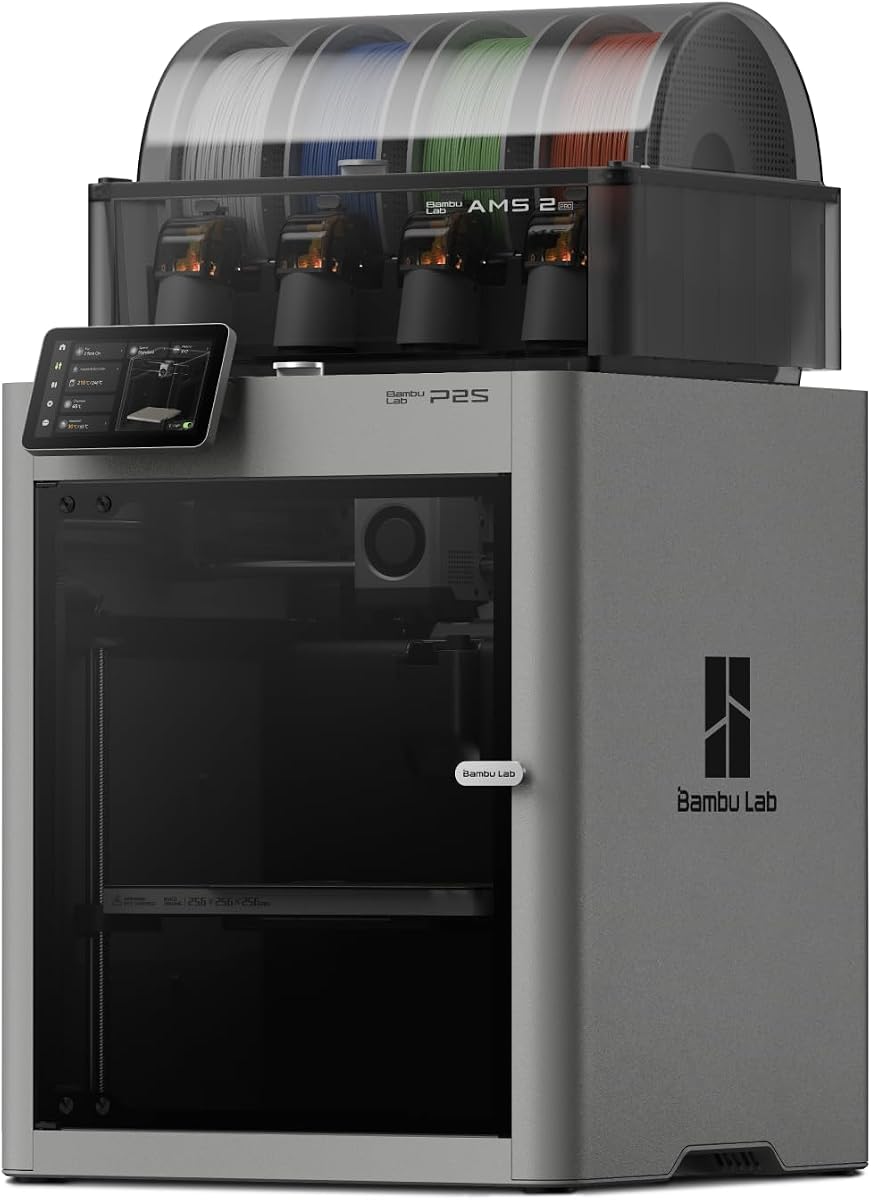
The Bambu Lab P2S Combo combines speed and versatility for rapid prototyping needs. Its high precision servo extruder delivers sharp layers at impressive speeds. The included AMS 2 Pro enables multi color printing with integrated filament drying.
We may earn a commission when you buy through this link, at no additional cost to you.
Engineers benefit from smart airflow that adapts to different materials automatically. Air failure detection saves time by pausing prints when issues arise. Setup is quick allowing teams to start printing almost immediately.
Multi color requires the combo version which adds cost but offers flexibility. The learning curve is low due to automatic calibration features. This machine excels at balancing speed with professional quality results.
Choose this for high throughput environments needing reliable multi material capabilities. It suits engineers wanting advanced features without complex setup. The unified workflow supports efficient project management from design to print.
Prints up to 600 mm/s with servo extruder technology ensuring sharp corners and consistent results.
Adaptive airflow and built-in drying keep filaments ready for flawless engineering grade prints.
We may earn a commission when you buy through this link, at no additional cost to you.
The QIDI Max4 Combo offers an ultra large build volume for printing massive industrial parts. Its active heated chamber supports high temperature materials like PC and ABS CF easily. Closed loop motors ensure stability during high speed operations.
We may earn a commission when you buy through this link, at no additional cost to you.
Smart monitoring via AI camera prevents waste by detecting failures early. The user interface is optimized for both professionals and enthusiasts alike. Multi color capabilities exist through separate connection to the QIDI BOX system.
Engineers note the Polar Cooler is not included in the base package. This adds cost but ensures optimal cooling for specific materials. The large size demands dedicated space but pays off in versatility.
Ideal for teams needing large scale prints without splitting parts. It balances industrial specs with smart features like vibration compensation. This model is a strong candidate for advanced prototyping workflows.
390mm build volume enables printing complex molds and custom prototypes in one go.
65C active chamber creates ideal conditions for challenging materials like PC and PPS CF.
We may earn a commission when you buy through this link, at no additional cost to you.
Snapmaker U1 distinguishes itself with four independent toolheads and rapid tool changing. This system reduces waste significantly while enabling true multi material prints without purging. Smart calibration ensures dimensional accuracy with minimal manual adjustment.
We may earn a commission when you buy through this link, at no additional cost to you.
The tool changer mechanism has been validated for over a million swaps. This reliability supports professional workflows needing frequent material transitions. Compatible materials include rigid and flexible options for complex parts.
Build volume is smaller than other industrial models but suffices for detailed prototypes. The cost reflects advanced tooling rather than raw size. It is best for intricate multi material jobs.
Select this for complex designs requiring mixed materials or colors. Its efficient waste reduction lowers operating costs over time. Great for small businesses needing versatile multi capabilities quickly.
Five second automatic swaps reduce change time from minutes to seconds with zero failures.
Tool swapping instead of filament purging reduces material waste by up to five times.
We may earn a commission when you buy through this link, at no additional cost to you.
The Bambu Lab A1 brings professional features to a budget friendly price. Full auto calibration removes manual hassles ensuring reliable prints every time. High acceleration and active flow compensation deliver impressive precision and speed.
We may earn a commission when you buy through this link, at no additional cost to you.
Engineers appreciate the quiet operation suitable for shared workspaces. Setup is straightforward making it accessible for beginners too. Multi color requires the AMS lite accessory which adds value if needed.
While basic in size it performs exceptionally well for small parts. The cost advantage makes it a great entry point for labs. Reliability is high even at lower price points.
Choose this for cost effective prototyping without sacrificing quality. It works well for startups or teams needing multiple units. Excellent for standard PLA and PETG engineering tasks.
Full auto calibration handles Z offset and bed leveling automatically for seamless printing.
Active noise canceling ensures a quiet environment suitable for office integration.
We may earn a commission when you buy through this link, at no additional cost to you.
The Creator 5 Pro features four toolheads and a near zero waste system. Independent nozzles eliminate flushing waste while enabling faster multi color printing. Active heated chambers support industrial filaments like PC and PA safely.
We may earn a commission when you buy through this link, at no additional cost to you.
Safety is prioritized with dual HEPA filters trapping ultrafine particles. CoreXY architecture ensures stability at speeds up to 600 mm/s. Real time monitoring allows remote control via desktop or mobile apps.
This machine is built for heavy duty industrial environments. The cost reflects its robust construction and advanced safety features. Setup is straightforward with automatic calibration included.
Ideal for manufacturing teams needing reliable multi material production. It offers safety and efficiency for high volume workflows. Strong choice for engineering labs needing strict air quality.
Four independent toolheads swap nozzles without flushing filament reducing operational costs.
Dual HEPA filters and continuous airflow ensure safe odorless workspace operation.
We may earn a commission when you buy through this link, at no additional cost to you.
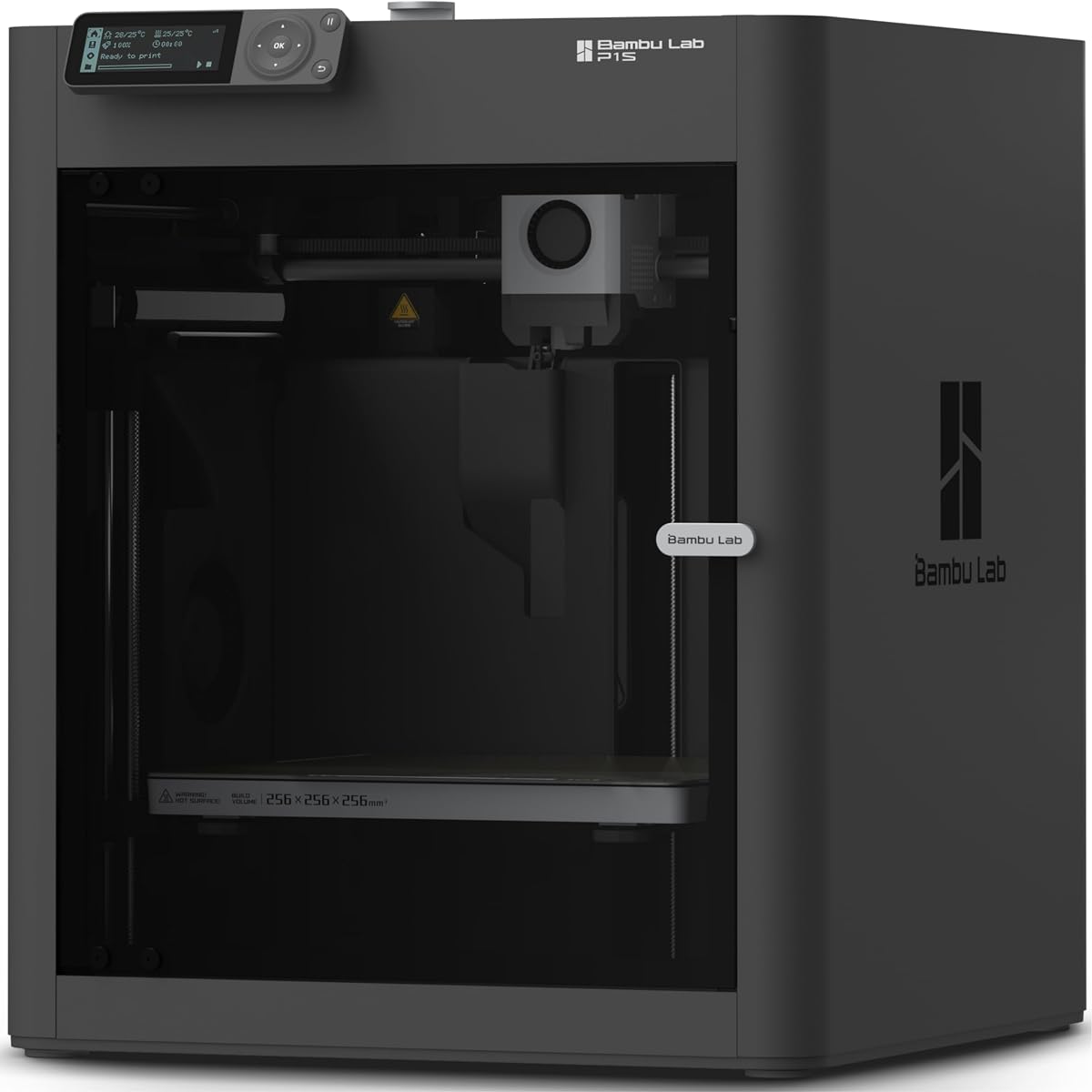
The P1S is a reliable enclosed printer with fast acceleration and high speeds. It sets up quickly and handles advanced filaments with ease. Automatic leveling ensures high quality prints right out of the box.
We may earn a commission when you buy through this link, at no additional cost to you.
While carbon fiber is not recommended it supports PA and PC materials. Up to 16 colors become possible with AMS integration. The enclosed body improves thermal stability for engineering parts.
It balances performance and price effectively for many users. Setup is hassle free allowing focus on creation. A solid choice for general engineering prototyping needs.
Buy this for balanced speed and reliability. It fits well in small labs or offices. Ideal for teams needing consistent results on standard engineering materials.
Lightning-fast speeds and acceleration let you focus on creating rather than waiting.
User friendly design ensures assembly is completed in fifteen minutes easily.
We may earn a commission when you buy through this link, at no additional cost to you.
The Adventurer 5M Pro delivers fast speeds and smart features at a value. Three second quick swaps allow easy nozzle changes without tools. High temp extruder handles ABS and ASA reliably.
We may earn a commission when you buy through this link, at no additional cost to you.
Quiet operation makes it suitable for offices or classrooms. Smart camera enables monitoring and time-lapse creation remotely. Vibration compensation eliminates ghosting for smooth finishes.
It balances performance and cost for small teams. Setup is straightforward for immediate printing. Ideal for environments needing consistent quality without large footprint.
Choose this for fast reliable prototyping in shared spaces. It works well for schools or small businesses. Great for standard engineering tasks requiring speed.
CoreXY frame enables 600 mm/s speeds while operating quietly under 50dB.
Three second quick-swap nozzle allows tool-free replacements across multiple sizes.
We may earn a commission when you buy through this link, at no additional cost to you.
The Kobra 3 Max offers industry leading build volume for huge parts. G-sensor vibration compensation ensures precision at high speeds. It supports life-size prototypes and furniture components easily.
We may earn a commission when you buy through this link, at no additional cost to you.
Reliability is enhanced by filament runout sensors and power recovery. Smart auto leveling ensures perfect first layers every time. The combo version adds multi color support seamlessly.
This machine handles large scale engineering tasks without splitting parts. Setup is straightforward and features are automated. It fits well in dedicated maker spaces.
Select this for large object prototyping and efficiency. It is ideal for small businesses needing capacity. Great for projects requiring simultaneous printing of multiple parts.
420x420x500mm volume allows printing life-size prototypes or multiple parts simultaneously.
Filament runout sensors and auto resume ensure 24/7 reliability without waste.
We may earn a commission when you buy through this link, at no additional cost to you.
The Creator 5 Pro Industrial sets the standard for premium engineering printers. Active heating supports materials like ASA and PC consistently. Independent extruders ensure no cross-contamination during multi color prints.
We may earn a commission when you buy through this link, at no additional cost to you.
HEPA13 filtration makes it safe for office environments. Comprehensive sensors monitor filament and tangles preventing wasted prints. Toolless nozzle changes simplify maintenance significantly.
While the price is higher the performance justifies the cost. It delivers professional results regardless of room temperature. Ideal for dedicated professional labs.
Buy this for premium industrial grade reliability. It suits environments needing clean air and high precision. Excellent for high throughput professional manufacturing needs.
Active chamber heating ensures stable temperature for high-performance materials like ABS and PC.
Four independent extruders eliminate color mixing for pristine separation without purging.
We may earn a commission when you buy through this link, at no additional cost to you.
Selecting the right 3D printer for engineering prototypes requires evaluating specific capabilities for your workflow. Consider these factors to ensure the machine meets your professional needs.
Assess the maximum size of your prototype parts. Large builds allow printing single large components while smaller ones save space and cost for detailed small parts.
Choose a volume that fits your largest expected parts without frequent splitting.
Look for dual toolheads or independent extruders if you need soluble supports or mixed materials. These systems improve functionality and reduce post-processing effort.
Independent toolheads prevent clogging and speed up color transitions effectively.
Ensure the printer supports engineering plastics like ABS, PC, and nylon. Check max nozzle and bed temperatures to handle high-performance materials reliably.
High temp extruders and heated chambers expand material options significantly.
Higher speeds reduce time to prototype. Look for accelerations above 10,000mm/s² for rapid iteration cycles.
Faster printing allows more test runs within the same timeframe.
Enclosed designs prevent warping on engineering materials. Air filtration systems reduce fumes for safer office environments.
HEPA filters and carbon systems ensure clean air during long prints.
Automatic calibration saves setup time. User-friendly slicer integration streamlines the workflow from design to print.
Choose systems with active monitoring and remote control options.
Consider manufacturer support availability and warranty terms. Long-term reliability is crucial for consistent engineering workflows.
Strong community support also helps resolve technical issues quickly.
Factor in filament waste and maintenance costs. Systems reducing purge waste lower ongoing operational expenses.
Prioritize efficiency to maximize budget over time.
Set up your printer in a stable environment away from drafts and direct sunlight to ensure thermal stability. Calibrate the bed and leveling before each project to maintain dimensional accuracy.
Regularly clean the extruder and nozzle to prevent clogging. Check belts and motors for tension and lubrication to maintain consistent speed and accuracy.
Monitor prints via camera or app to catch issues early. Store filaments in dry containers to prevent moisture absorption which degrades print quality.
Engineering prototypes need precision and material variety. Look for heated chambers, support for materials like PC, and reliable toolheads for functional testing. Build volume and repeatability are also essential for consistent results.
Professional printers range widely depending on features. Entry industrial models start around a few hundred dollars while industrial units with multi tooling can exceed several thousand. Consider your budget and specific requirements.
Yes, for most engineering plastics like ABS and ASA. Enclosures stabilize temperature to reduce warping and ensure consistent layer adhesion. This is crucial for structural prototypes.
Speeds over 300mm/s are ideal for rapid iterations. Acceleration also matters for maintaining quality at speed. Look for models balancing speed with stability.
Most use slicer software like PrusaSlicer or Bambu Studio. Check compatibility with your design files. Some models come with integrated slicing solutions for easier workflows.
Check nozzles and beds weekly for clogs or residue. Belt tension and motor checks should be done monthly. Proper maintenance ensures accuracy and longevity.
We reviewed ten top 3D printers offering multi-material systems, speed, and large volumes. The Original Prusa XL stands out for scale while the Creator 5 Pro leads on safety.
Prioritize build volume and material support based on your project needs. Automation and safety features improve efficiency significantly in professional settings.
Prices fluctuate often so verify current listings and availability before buying. Investing in the right model ensures faster and better prototyping results.