
ACR ResQLink 400
4.8Editor score
Reliable distress signal transmission
Compact and lightweight design
Global satellite coverage support
No monthly subscription required
Discover the top Acr Personal Locator Emergency Beacons for 2026. This guide compares GPS accuracy, battery life, and survival features to help you choose the
When exploring remote wilderness or navigating open waters, reliable communication can mean the difference between safety and disaster. Personal locator beacons serve as critical lifelines during emergencies. These devices transmit distress signals to search and rescue teams globally without needing cellular coverage or subscription fees.
We evaluated leading models based on satellite connectivity, GPS precision, durability, and ease of use. Our analysis focuses on devices that offer rapid activation, long battery life, and robust build quality. We considered real-world performance data and user feedback to ensure our recommendations meet rigorous safety standards for outdoor enthusiasts.
Each selection highlights unique capabilities such as return link services, integrated strobe lights, and versatile mounting options. While these tools provide peace of mind, remember that technology evolves and availability shifts. Always verify current specifications and compatibility with your specific activities before making your final decision on life-saving equipment.
4.8Editor score

4.8Editor score

4.0Editor score
This side-by-side comparison breaks down key technical specifications and unique features across ten top-rated models. We focus on signal types, battery longevity, and additional survival tools included in specific kits to help you understand exactly what each device offers for your safety needs.





This beacon earns top honors for its ability to confirm when rescuers receive your signal. The digital display ensures you can verify operation status easily. It combines modern satellite technology with rugged durability for any outdoor environment.
We may earn a commission when you buy through this link, at no additional cost to you.
The Return Link Service feature provides critical peace of mind by alerting you when help has been notified. Its GPS and Galileo GNSS compatibility ensure precise location tracking anywhere on the planet. The infrared strobe aids rescuers even in low-light conditions.
While it carries a higher cost than basic models, the added confirmation technology justifies the investment for serious explorers. Some users might find the features more than they need for casual hiking. However, reliability in life-threatening situations is paramount.
This model is ideal for mountaineers and boaters who require absolute certainty during emergency activations. We recommend it for those who prioritize communication feedback over minimalism. It represents the gold standard in personal safety technology today.
The RLS feature sends a digital confirmation back to the device when a distress signal is received by rescue centers.
Infrared and standard LED strobes work together to make the beacon highly visible to aircraft and ground teams at night.
We may earn a commission when you buy through this link, at no additional cost to you.
This model is designed with water sports enthusiasts in mind, featuring a buoyant body that prevents loss in aquatic environments. Its view display allows you to check battery status and test functions without opening the device. The strobe lights ensure visibility day or night.
We may earn a commission when you buy through this link, at no additional cost to you.
The included belt clip and inflation tube clips make it easy to secure to life vests or gear. It sends distress signals directly to global rescue agencies using established satellite constellations. Optional testing subscriptions allow you to send pre-canned messages to contacts.
The lack of RLS means you cannot confirm signal receipt, which is a trade-off for the lower price. The physical bulk might be noticeable on small frames compared to slimmer alternatives. Yet it remains highly effective for kayaking and sailing.
We suggest this for boaters and kayakers who need a reliable, water-ready beacon at a reasonable cost. Its attachment versatility supports active movement on boats or paddleboards. It balances cost and performance effectively for water users.
The device floats and is fully sealed against water ingress, making it perfect for marine environments where dropping gear is a risk.
Multiple clips allow secure mounting on vests, tubes, or packs, ensuring the beacon stays close during high-mobility activities.
We may earn a commission when you buy through this link, at no additional cost to you.
This beacon strips away the display to offer a more compact unit that still includes critical confirmation technology. It is significantly smaller than other RLS models, fitting easily into tight pack pockets or jacket liners. Performance remains robust despite the size reduction.
We may earn a commission when you buy through this link, at no additional cost to you.
The inclusion of Return Link Service ensures you know when authorities have received your distress message. GPS and Galileo systems provide precise location data for rescue teams. The infrared and standard strobe lights remain essential for visual location efforts.
Without a display, checking battery status requires more effort during self-tests. This makes it slightly less intuitive for users who prefer visual feedback on device health. However, it is excellent for weight-conscious backpackers.
We recommend this for hikers and climbers who prioritize low weight without sacrificing signal confirmation. It bridges the gap between minimalism and advanced safety features. It is a smart choice for serious alpine adventures.
By removing the screen, this unit reduces bulk significantly while maintaining full RLS capabilities and battery longevity.
Users receive feedback when their distress signal is picked up by satellites, reducing anxiety during emergency situations.
We may earn a commission when you buy through this link, at no additional cost to you.
This model serves as the entry point for safety-conscious adventurers who need reliable signaling without extra cost. The lack of a display keeps the unit simple and durable for everyday carry. It focuses purely on sending a distress signal effectively when needed.
We may earn a commission when you buy through this link, at no additional cost to you.
Its primary strength lies in its affordability while maintaining the critical 406 MHz distress signal standard. Activation is straightforward, requiring fewer steps than more complex units. It connects directly to global satellite networks for worldwide search and rescue support.
The absence of visual feedback means you cannot easily see battery status without specialized tools or manual tests. Without RLS, you lack confirmation that the signal reached a rescue center. These trade-offs are acceptable for casual hikers.
We suggest this for those seeking essential safety protection on a tight budget. It is a straightforward tool for emergencies without technological complications. It provides peace of mind for the price of a basic camping stove.
This unit offers standard emergency signaling capabilities at a fraction of the cost of advanced RLS models.
Fewer moving parts and no screen make this device exceptionally robust and easy to activate under stress.
We may earn a commission when you buy through this link, at no additional cost to you.
This beacon stands out by adding Automatic Identification System capabilities alongside standard satellite distress signals. It broadcasts your position on VHF frequencies to nearby ships, providing an immediate local alert layer. NFC technology allows you to check status easily with a smartphone.
We may earn a commission when you buy through this link, at no additional cost to you.
The mobile app integration gives you detailed visibility into battery health and test results. RLS ensures you receive confirmation that satellites have processed your distress signal. It is designed specifically to integrate with inflatable life vests for boaters.
The premium price reflects these advanced features, which may be unnecessary for land-based users. Some might find the additional complexity distracting in a true emergency. However, it offers unmatched situational awareness for maritime safety.
We recommend this for serious sailors who need local and global rescue capabilities simultaneously. It is an investment in advanced connectivity and immediate vessel detection. It is the most technologically advanced option in this lineup.
The AIS signal sends your position directly to nearby ships with receivers, alerting them instantly to your distress.
Near Field Communication allows you to tap your phone against the beacon to check battery life and test status.
We may earn a commission when you buy through this link, at no additional cost to you.
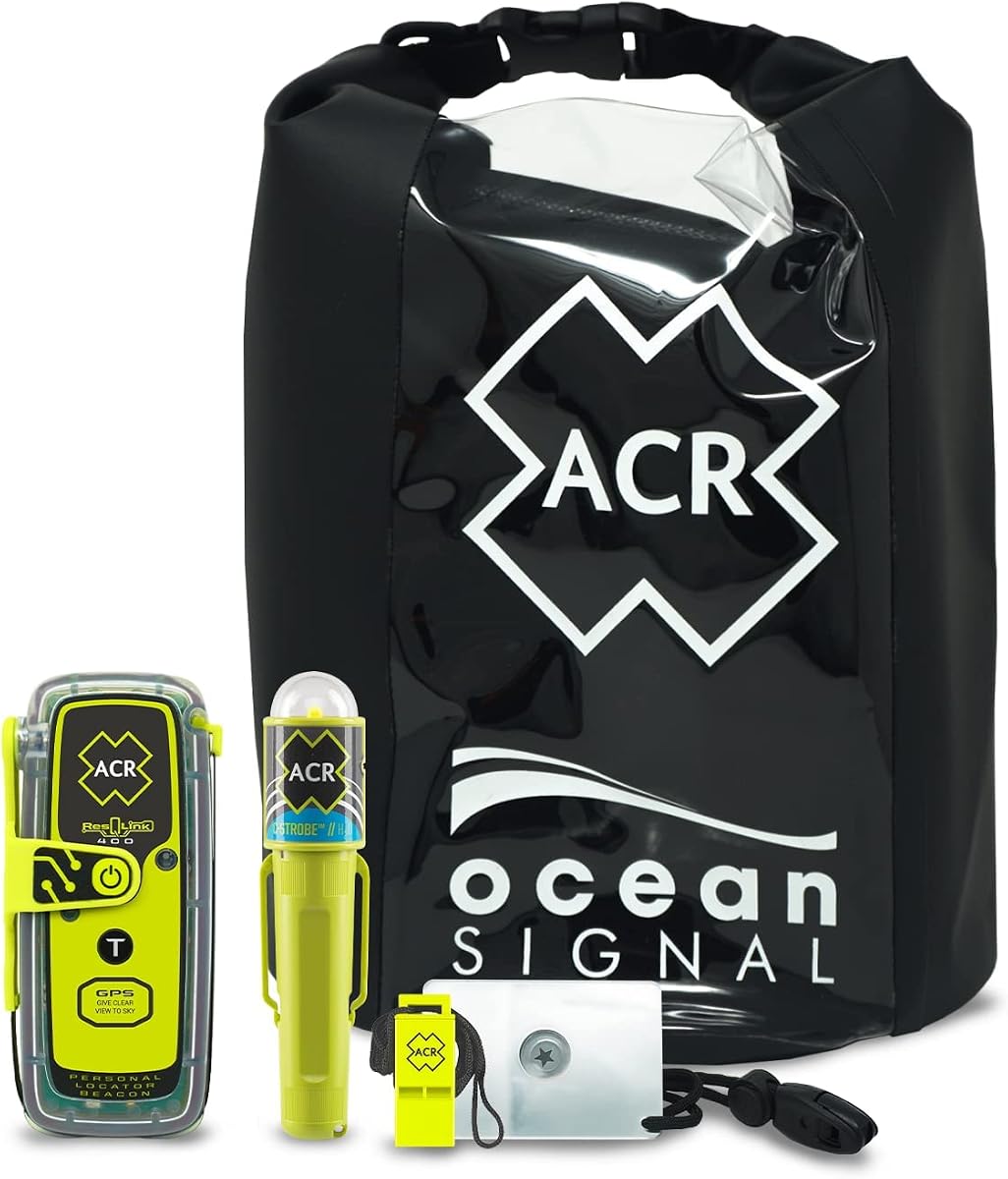
This kit bundles the reliable ResQLink 400 beacon with essential survival tools for a comprehensive emergency solution. It includes a rescue light, whistle, drybag, and mirror to cover visual and auditory signaling needs. It saves you from buying items individually.
We may earn a commission when you buy through this link, at no additional cost to you.
The C-Strobe H2O light provides reliable illumination even after the beacon is activated. The drybag keeps everything dry and accessible in wet conditions. The whistle and mirror offer redundant signaling options if electronics fail.
The additional gear adds weight to your pack which might not suit ultralight hikers. Some signaling tools may overlap in function with what the beacon already provides. It is ideal for general emergency preparedness.
We suggest this for those who want a complete survival setup out of the box. It ensures you have non-electronic options alongside your satellite device. It is perfect for family camping or general hiking trips.
The inclusion of whistle and mirror ensures you can signal visually and audibly even if batteries are dead.
The RapidDitch drybag keeps your beacon and survival items dry during rainstorms or water crossings.
We may earn a commission when you buy through this link, at no additional cost to you.
This kit combines the View beacon model with a full suite of survival accessories. It offers a digital display for easier status checks plus a bright rescue light and mirror. It is designed for comprehensive outdoor emergency readiness.
We may earn a commission when you buy through this link, at no additional cost to you.
The View display lets you confirm battery life and status easily. The included rescue light extends your signaling range beyond what the beacon alone offers. It provides a complete solution for visual and auditory alerts in remote areas.
Managing multiple batteries for the beacon and light can be a hassle in the field. The total bulk might be significant for those hiking alone in light packs. It is best suited for multi-person groups.
We recommend this for users who value visual feedback and redundant signaling methods. It ensures you have robust tools for any emergency scenario. It is ideal for serious expedition support.
The beacon and separate strobe light provide overlapping visual signals to maximize rescue chances in low visibility.
The display on the View model allows you to check battery status quickly without opening the device.
We may earn a commission when you buy through this link, at no additional cost to you.
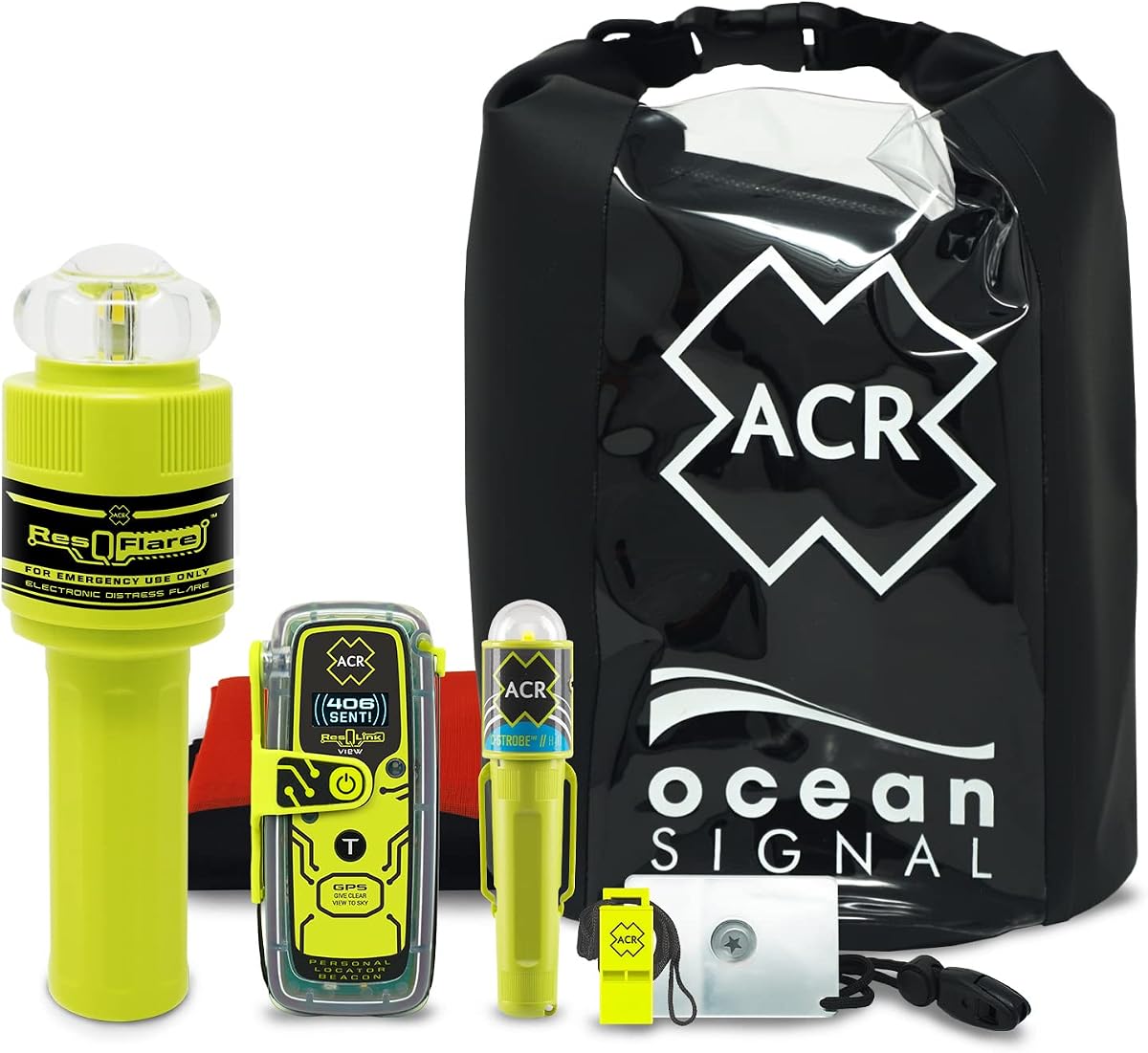
This premium kit pairs the View beacon with a USCG-approved electronic distress flare. It is designed for users who need compliance with specific marine safety regulations. The flare offers a reliable daytime signal for vessels and aircraft.
We may earn a commission when you buy through this link, at no additional cost to you.
The electronic flare replaces traditional pyrotechnics, reducing environmental impact and storage risks. It includes a daytime distress flag and whistle for comprehensive visual signaling. The USCG approval gives it official weight for maritime safety.
The price is high compared to basic kits, reflecting the compliance and quality of components. Some may find the flag unnecessary for pure wilderness hiking. It is strictly superior for boat safety.
We suggest this for boaters who require USCG-compliant safety gear alongside GPS tracking. It is a comprehensive solution for commercial or regulated recreational vessels. It offers top-tier visibility for water rescues.
The USCG approval of the flare ensures the kit meets federal requirements for marine safety on many waterways.
Electronic flares provide bright visible light without the fire risks associated with traditional chemical flares.
We may earn a commission when you buy through this link, at no additional cost to you.
This is the ultimate marine survival package, combining a personal locator beacon with a full maritime EPIRB. It provides redundancy for entire vessels while maintaining a personal signal device. It is designed for serious offshore safety needs.
We may earn a commission when you buy through this link, at no additional cost to you.
The EPIRB offers a stronger signal range for vessels, while the PLB serves individual crew members. It includes storage bags and signaling gear to protect equipment during extreme conditions. It covers every angle of maritime rescue.
The cost is significant, making it best suited for commercial operators or dedicated private vessels. It requires significant storage space on smaller boats. It is overkill for casual kayaking.
We recommend this for serious sailors who need maximum redundancy. It is a complete system for vessel and crew survival in extreme weather. It is the most robust option in this lineup.
Using both EPIRB and PLB ensures that vessels and individuals are tracked independently if separated.
The included bags ensure your distress gear stays organized and ready to access in critical situations.
We may earn a commission when you buy through this link, at no additional cost to you.
This kit represents the pinnacle of maritime technology, featuring an AIS-enabled EPIRB and a View PLB. It includes electronic flares and lifevest lights to ensure immediate detection by nearby ships. It is designed for the most demanding marine environments.
We may earn a commission when you buy through this link, at no additional cost to you.
The AIS feature alerts ships directly to your location, drastically reducing rescue time. The electronic flare and lifevest light add layers of visibility during day and night. It is a comprehensive solution for commercial or offshore users.
The price is the highest in the market, reflecting the advanced technology included. Managing all components requires a dedicated storage plan. It is not necessary for inland waterways.
We recommend this for professional captains who need top-tier detection capabilities. It is the safest option for transoceanic voyages. It combines global satellite with local vessel detection.
AIS EPIRBs broadcast directly to nearby vessels, ensuring that ships in the area can locate you faster than satellites alone.
The included lifevest light attaches easily to jackets, providing visibility even if you are separated from the vessel.
We may earn a commission when you buy through this link, at no additional cost to you.
Selecting the right beacon requires understanding signal technology and your specific travel environment.
RLS technology confirms that rescue teams have received your distress signal. This feedback loop reduces anxiety during emergencies by letting you know help is on the way. Models with this feature are generally more expensive but offer critical peace of mind.
Look for models that explicitly state RLS capabilities if confirmation is a priority for your safety needs.
Most beacons use 406 MHz for global satellite alerts and 121.5 MHz for local homing. Ensure the device meets international COSPAS-SARSAT standards for reliable rescue coverage worldwide. This standard ensures compatibility with rescue centers globally.
Verify that the beacon supports 406 MHz transmission to guarantee international rescue network compatibility.
Integrated GPS systems provide precise coordinates that significantly speed up rescue operations. Look for compatibility with multiple constellations like Galileo and GLONASS for better coverage in dense areas. Accurate location data minimizes search time for emergency crews.
Choose devices with multi-constellation support to ensure you can get a signal even in challenging terrain.
Most reliable units offer a five-year standby life with extended operational time during activation. Always check expiration dates on batteries and plan for replacements to maintain reliability. A dead battery renders the device useless regardless of its other features.
Prioritize models with a five-year battery life to minimize maintenance and ensure reliability during unexpected delays.
Since outdoor conditions can be unpredictable, look for devices rated for submersion in fresh and salt water. Most modern units carry an IPX7 or higher rating ensuring they float and function after drops. This durability is vital for boaters and hikers crossing streams.
Confirm the unit floats and is rated for water submersion to handle accidental drops during marine activities.
Many models now include infrared or LED strobe lights to aid rescuers in low-light conditions. Some units integrate additional signal mirrors or flares for comprehensive visibility. These features help rescuers locate you once they are in the general area.
Select a model with both infrared and standard LED strobes to maximize visibility for rescuers at night.
In emergencies, every second counts, so the activation mechanism should be simple and intuitive. Look for sliding covers or large buttons that can be operated with gloves or wet hands. Complex procedures can lead to delayed distress signaling.
Opt for devices with large, clear buttons and simple covers to ensure quick activation under high stress.
Most standard beacons do not require monthly fees, but some testing services might. Always read the fine print regarding optional subscriptions to avoid unexpected costs. Your primary distress signal should work independently of any billing plans.
Ensure your chosen beacon works fully without a monthly subscription to avoid ongoing costs or service interruptions.
Store your beacon in an accessible location such as a life jacket or pack strap. Regularly check the battery indicator or expiration dates to ensure the device is operational when needed.
Activate the beacon only in life-threatening emergencies when you cannot reach help via other means. The activation process usually involves sliding a cover and holding a button for a few seconds.
After an emergency or periodic testing, turn off the device immediately to preserve battery life. Keep it away from extreme heat or direct sunlight to prevent internal damage to the electronics.
Most standard distress beacons do not require a monthly subscription to send emergency signals. However, some models may offer optional services like test message delivery via SMS. Always verify this detail before purchasing to ensure you are not committing to ongoing costs.
Rescue times vary depending on location, weather, and the type of signal sent. Global systems typically take an hour or less to transmit location data to authorities. The actual response time depends on local resources and the severity of the situation.
If the internal battery expires the beacon will not transmit a distress signal. Most units have a clear indicator to show battery health. Always check dates annually and replace batteries as recommended by the manufacturer.
Yes, satellite beacons are designed to work globally including high mountain environments. Unlike cell phones they do not rely on local towers. This makes them ideal for remote hiking or mountaineering trips.
Use the self-test function built into the device to check electronics without sending a distress signal. Never press the SOS button unless you are in a genuine emergency. Follow the manual instructions to run a safe diagnostic cycle.
PLBs are personal devices designed for individuals while EPIRBs are intended for vessels. EPIRBs typically have higher output power and larger batteries. Your choice depends on whether you need personal safety or boat safety.
We have highlighted the top models that balance reliability, features, and ease of use. Whether you choose a basic PLB or a comprehensive marine kit the right choice depends on your specific environment.
Prioritize return link service if you want confirmation during emergencies and GPS accuracy for precise rescue tracking. Consider the total kit value if you need additional signaling tools like flares or whistles.
Remember that prices and availability change frequently so verify current stock before finalizing your purchase. Investing in a quality beacon ensures you have peace of mind on all your outdoor adventures.