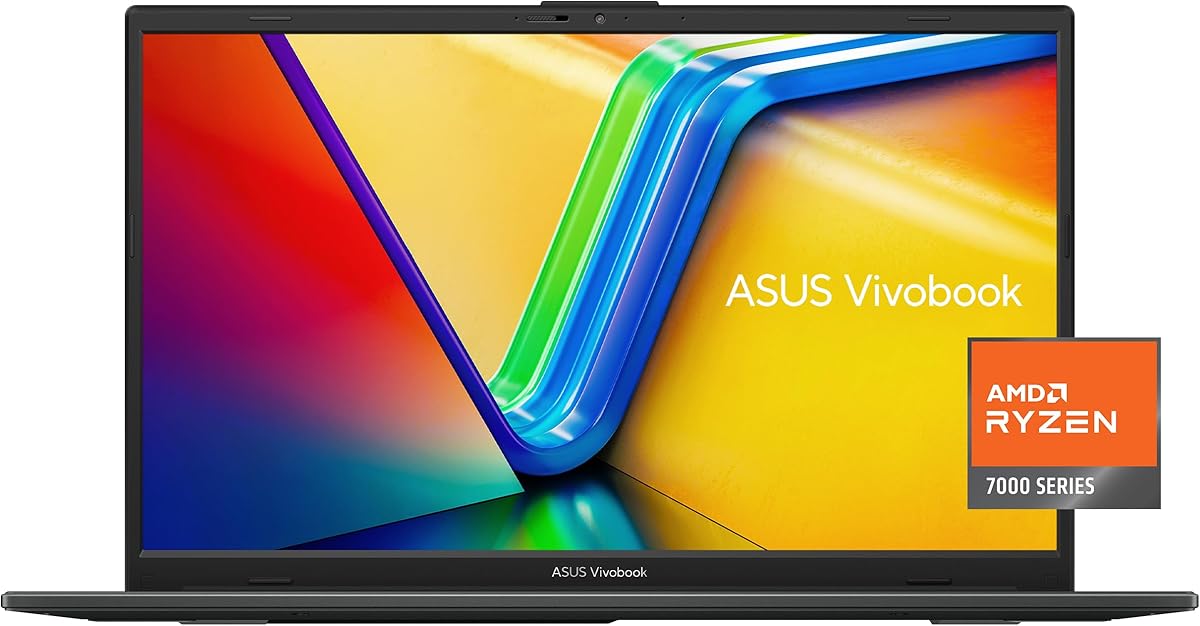
ASUS Vivobook Go 15
4.3Editor score
AMD Ryzen 3 Processor
Lightweight 3.59 lb Design
Fast Charging Technology
Finding the right laptop for school can be overwhelming with so many options available today. Students need reliable machines that handle research, writing, and multimedia without breaking the bank. ASUS offers a wide range of notebooks tailored to different academic needs and budgets.
We evaluated ten distinct models based on processor speed, memory capacity, storage options, and build quality. Each device was assessed for its ability to support coursework, virtual classes, and entertainment during downtime. Our analysis focuses on real-world usability rather than just raw specifications.
Every pick in this list highlights specific strengths like long battery life or lightweight design. Prices fluctuate frequently so verify current costs before purchasing. Use this guide to find a machine that grows with your academic journey from freshman year to graduation.
4.3Editor score

4.8Editor score

4.5Editor score
As an Amazon Associate we earn from qualifying purchases.
This side-by-side comparison breaks down the core specifications of each model to help you visualize differences at a glance. From entry-level chips to high-end processors we cover everything you need to know.


This model stands out as the most accessible entry into the ASUS student ecosystem. It holds a strong rating among users who prioritize portability and cost efficiency over heavy multitasking capabilities. The combination of modern DDR5 memory and a slim chassis makes it a compelling choice for budget-conscious learners.
We may earn a commission when you buy through this link, at no additional cost to you.
The AMD Ryzen 3 processor handles web browsing and document editing with ease. Its 8GB of DDR5 RAM ensures that multiple tabs can remain open without immediate lag. The 15.6-inch screen offers a comfortable viewing area for research papers and video lectures while maintaining a compact footprint.
Trade-offs exist primarily in storage and raw power. The 128GB SSD fills up quickly with media files but is sufficient for cloud-based workflows. Students relying on local storage might need an external drive. However the fast charging feature mitigates battery anxiety during long days on campus.
Ideal for freshmen or those needing a secondary device for note-taking. It balances essential performance with financial prudence. If your academic work focuses on writing and web tools this laptop delivers reliability without unnecessary expense. It is a smart starting point for many academic journeys.
Delivers essential computing power for daily tasks without inflating the budget.
Meets military grade standards to withstand the rigors of student life.
We may earn a commission when you buy through this link, at no additional cost to you.
This 2023 iteration improves significantly on the base model by offering more storage and a stronger processor. Users praise its balance of speed and efficiency for general schoolwork. The 512GB drive provides ample room for assignments and media without immediate need for expansion.
We may earn a commission when you buy through this link, at no additional cost to you.
The Ryzen 5 chip boosts performance in video conferencing and light multitasking. Fast charge technology allows half the battery to refill in just thirty minutes which is perfect for quick breaks between classes. The thermal system keeps the device cool even during extended study sessions.
While the screen is decent it lacks the brightness of premium panels. Indoor use is comfortable but outdoor visibility might suffer in bright light. The AI noise canceling for microphones enhances call quality which is vital for remote learning environments.
A solid step up for students needing more than basic web tools. It handles heavier workloads better than the entry model. If you store files locally or run multiple apps this version offers the best balance of power and price in the Go series.
Double the SSD capacity allows for keeping more projects locally.
IceCool technology maintains comfort during long usage periods.
We may earn a commission when you buy through this link, at no additional cost to you.
This device captures the most excitement with its next-generation Snapdragon X processor and AI capabilities. Reviewers highlight its smooth operation and impressive battery efficiency making it a top pick for daily carry. The 16GB of RAM ensures future-proofing for demanding coursework.
We may earn a commission when you buy through this link, at no additional cost to you.
The 14-inch WUXGA display offers sharp text and vibrant colors ideal for design or media classes. Windows 11 Home integration feels seamless with the new hardware architecture. Students appreciate the Copilot+ PC features that help summarize text or create content faster.
Compatibility with older x86 apps can be a consideration for specific engineering or legacy software. Most mainstream tools work flawlessly however. The Adreno GPU handles multimedia well though heavy gaming might see limitations compared to traditional graphics cards.
Best for students who want cutting-edge tech and long battery life. It bridges the gap between productivity and mobility effectively. If you prioritize speed and modern features this model stands out as the most advanced option in the lineup for general academic use.
Leverages NPU for advanced AI tasks and content generation.
WUXGA resolution provides crisp visuals for detailed work.
We may earn a commission when you buy through this link, at no additional cost to you.
Designed for maximum portability this model sacrifices performance for a featherlight build. It suits students who primarily use browser-based apps and cloud storage. The screen quality remains decent for reading and writing tasks without taxing the battery excessively.
We may earn a commission when you buy through this link, at no additional cost to you.
The Intel Celeron processor handles basic tasks like typing essays and checking email. While not fast it gets the job done for light usage. The physical privacy shutter on the webcam adds a layer of security that users appreciate for remote calls.
Users may find the 4GB RAM limiting when switching between many apps. Multitasking can feel sluggish if too many tabs are open. Storage is also tight so reliance on external drives or cloud services is recommended for larger files.
Best for those needing a simple second device for travel. It fits easily into small bags and lasts a decent time on a charge. If your workflow is mostly online and requires minimal local power this laptop offers a streamlined experience.
Ultra-thin design makes it easy to carry anywhere.
Ideal for reading and writing without complex processing needs.
We may earn a commission when you buy through this link, at no additional cost to you.
This model offers a larger canvas for multitasking which is great for side-by-side document editing. The 16-inch screen provides ample real estate without increasing the physical bulk too much. The Snapdragon X processor ensures that this screen space is utilized efficiently.
We may earn a commission when you buy through this link, at no additional cost to you.
Performance is snappy for web browsing and media consumption. The Adreno GPU delivers smooth visuals for streaming and light creative work. Battery life remains strong due to the power-efficient chip making it suitable for day-long campus use.
The extra screen size adds some weight compared to smaller 14-inch models. Carrying it in a small backpack might be less convenient. However for desk use the extra space significantly improves workflow and reduces eye strain.
Ideal for students who need screen real estate for coding or design. It balances power and portability better than many competitors. If you value a wide viewing area and modern tech this laptop is a strong contender for productivity tasks.
The 16 inch display aids in organizing multiple windows easily.
Snapdragon chip optimizes power use for all-day work.
We may earn a commission when you buy through this link, at no additional cost to you.
This bundle adds significant value with a large SSD and a docking hub for connectivity. The Core 5 processor supports professional workflows and virtual machines well. Windows 11 Pro adds features useful for enterprise environments or advanced academic needs.
We may earn a commission when you buy through this link, at no additional cost to you.
The 12GB RAM configuration offers a middle ground between standard 8GB and 16GB. It handles daily tasks efficiently. The included hub expands port options making it easy to connect external displays and peripherals for presentations.
While the RAM is slightly non-standard it meets most needs effectively. The build quality feels robust for daily travel. Users appreciate the extra storage for archiving projects and media files without constant management.
Best for students planning to use the laptop for internships or career prep. The Pro OS and extra ports are practical for real world scenarios. If you need a ready-to-work machine with connectivity solutions this bundle stands out.
Docking hub simplifies connection to external screens and drives.
Windows 11 Pro enables more advanced management features.
We may earn a commission when you buy through this link, at no additional cost to you.
A straightforward reliable machine that focuses on core performance metrics. The 16GB of RAM ensures smooth switching between research and coding tools. It handles virtualization tasks better than lower RAM models making it versatile for CS majors.
We may earn a commission when you buy through this link, at no additional cost to you.
The 15.6-inch screen provides a comfortable viewing angle for long reading sessions. Wi-Fi 6 keeps connections stable in crowded lecture halls. The Intel Core 5 processor is energy efficient yet powerful enough for moderate creative workloads.
Design is functional without being flashy. It may not be the lightest option for daily commuting. However the build quality feels durable for years of use. The battery life is solid for standard study sessions.
Best for students needing a dependable workhorse without extra frills. It offers a great balance of memory and storage. If your priority is having enough power for complex apps this model delivers reliable performance.
16GB RAM allows for running VMs and many apps smoothly.
Wi-Fi 6 ensures fast and stable internet connections.
We may earn a commission when you buy through this link, at no additional cost to you.
This model targets power users who need maximum performance for simulations or heavy editing. The i9 processor delivers desktop-class speeds in a laptop form factor. The PCO bundle addresses heat issues ensuring sustained performance during long tasks.
We may earn a commission when you buy through this link, at no additional cost to you.
The 32GB RAM supports extremely demanding workflows like 3D modeling or video rendering. Windows 11 Pro adds advanced security features. The backlit keyboard and fingerprint reader enhance usability and security for professional environments.
The cooling accessory is essential as high-end chips can get hot. Weight is higher so it is less portable. But for a fixed workstation in a dorm the performance is unmatched in this lineup.
Best for engineering or design students needing raw speed. It justifies the cost with its top-tier specs. If your coursework involves complex computations this device provides the necessary horsepower to handle them effortlessly.
i9 processor ensures top speed for any academic software.
Included cooler maintains peak performance during heavy loads.
We may earn a commission when you buy through this link, at no additional cost to you.
An AMD counterpart to the Snapdragon model focusing on AI readiness and battery life. The Ryzen AI 7 provides robust local processing capabilities. Users appreciate the WUXGA display which is bright and clear for reading textbooks.
We may earn a commission when you buy through this link, at no additional cost to you.
The NPU handles AI tasks like captioning and translation locally. This reduces reliance on cloud services and speeds up workflows. The battery life is excellent allowing for all-day use without plugging in.
Some advanced features may require specific OS updates to function fully. The gaming performance is decent for light titles but not for high-end gaming. It remains a strong daily driver for research and content creation.
Best for students who want AI tools to assist with learning. The screen and battery make it a pleasure to carry daily. If you value long-term software support and efficiency this laptop is a smart choice.
NPU enables quick AI features without needing internet.
WUXGA offers sharp images for detailed work.
We may earn a commission when you buy through this link, at no additional cost to you.
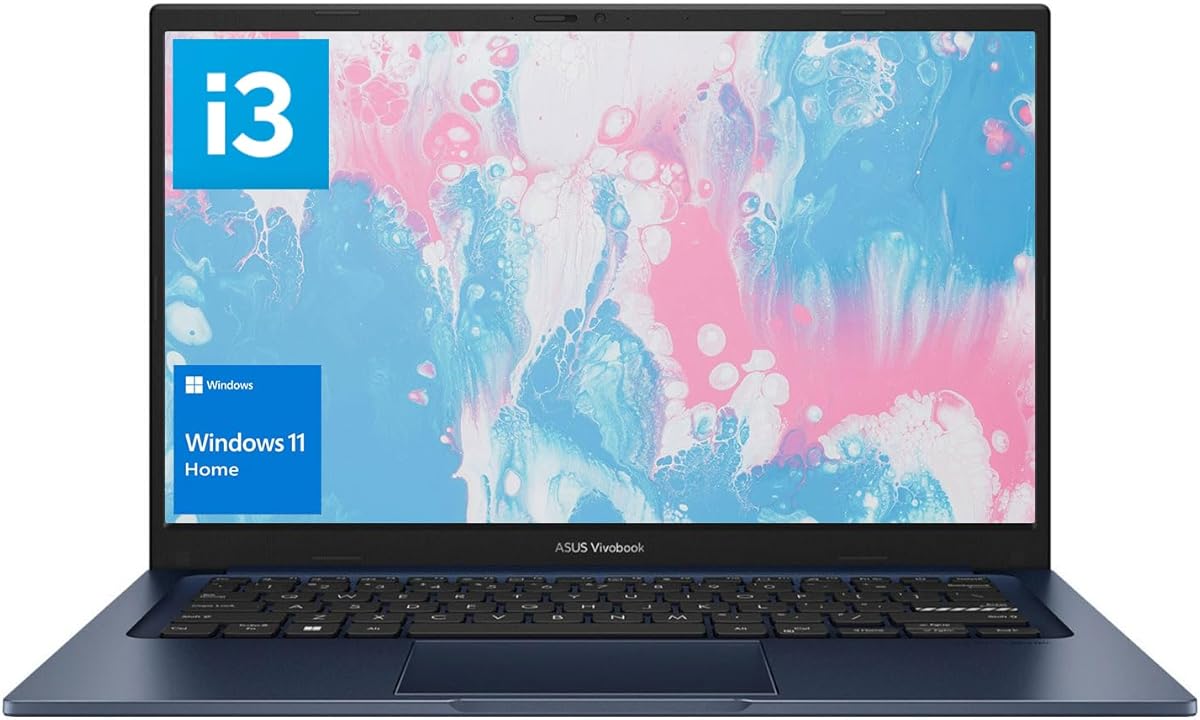
This model proves you do not need a high-end CPU to get great memory and storage. It is often the most cost-effective way to get 16GB of RAM. Ideal for students who need a reliable primary machine without spending a fortune.
We may earn a commission when you buy through this link, at no additional cost to you.
The 14-inch form factor is easy to manage in class. Wi-Fi 6 ensures fast connectivity for streaming and downloads. The SSD is quick enough for booting up and launching apps instantly.
The i3 processor is fine for web and office tasks. Heavy video editing might struggle. But for writing and research it is perfectly adequate. The blue chassis adds a touch of style to the functional design.
Best for students looking for a high-spec budget laptop. The RAM and SSD alone make it worth the price. If you need to run many apps simultaneously on a tight budget this is a strong contender.
16GB RAM at this price point is hard to beat.
512GB SSD gives plenty of room for files.
We may earn a commission when you buy through this link, at no additional cost to you.
Choosing the right device involves weighing your specific academic needs against the features available in the lineup.
The processor dictates how fast your computer can handle tasks. For general writing and web browsing entry-level chips like the Celeron or Ryzen 3 are sufficient. If you plan to do video editing or engineering simulations look for Ryzen 5 or Core i5 models.
Prioritize newer generations for better efficiency and longevity.
RAM determines how many apps you can run at once. 8GB is the minimum for smooth multitasking but 16GB is highly recommended for students who keep many browser tabs open. Models with 32GB are reserved for specialized workloads.
Always check the max RAM limit before buying for future upgrades.
Solid State Drives are essential for fast boot times and file access. Avoid eMMC storage if possible as it is slower and harder to upgrade. Aim for at least 256GB but 512GB is the sweet spot for most users.
A larger drive reduces reliance on external cloud storage.
Display size impacts both viewing comfort and portability. 13-inch to 14-inch laptops are easier to carry but smaller screens can feel cramped. 15.6-inch and 16-inch models offer more workspace for split-screen workflows.
Consider your typical carrying load when choosing screen size.
Students often move between classes so long battery life is critical. Look for models with fast charging technology to get hours of power in minutes. Snapdragon and newer Ryzen chips generally offer better efficiency than older Intel models.
Always check real-world battery reviews for accurate expectations.
Laptops face travel stress so durability matters. Many ASUS models feature military-grade testing to resist drops and shocks. A sturdy hinge and a solid chassis ensure the device lasts through multiple years of school.
Invest in a model with a solid frame for longevity.
Modern students need Wi-Fi 6 for stable internet in crowded areas. Ensure there are enough USB ports for peripherals. Some models include HDMI for presentations which is vital for group projects.
Check the port layout to ensure it meets your needs.
Since you will type essays and notes regularly the keyboard must be comfortable. ASUS ErgoSense keyboards offer better key travel. Backlit keys are helpful for late night study sessions in low light.
Test the keyboard if possible before making your purchase.
To maximize performance keep your system updated and manage storage space regularly. Install security software and use cloud syncing to prevent data loss from hardware failures. This ensures your files are safe and accessible anywhere.
Use the built-in webcam shield when not on calls to protect privacy. Adjust brightness settings to save battery life during long study sessions. Utilize power saving modes when unplugged to extend usage time.
Carry the laptop in a padded bag to prevent accidental drops. Clean the screen with a microfiber cloth and avoid liquid cleaners. Proper maintenance keeps the device looking new and running smoothly for years.
For coding and virtual machines models with at least 16GB of RAM are essential. The Vivobook 15 Core or the 15 AI Bundle offer strong performance. The extra memory allows you to run multiple environments without lag.
Yes most models come with 720p HD cameras with privacy shutters. Some higher-end versions include noise-canceling audio. This ensures clear communication during video lectures.
Windows 11 Home covers almost all student needs. It supports all standard apps. Windows 11 Pro is better if you need specific enterprise tools for internships.
Some models allow upgrades but many newer thin laptops have soldered RAM. Always check the specific model's manual before assuming upgrade options are available.
Most student-focused models offer between 8 to 10 hours of standard use. Efficiency varies by usage and screen settings. Always carry the charger for long days on campus.
For basic editing the Ryzen 5 or Core i5 models work well. Heavy projects require dedicated GPUs or high core counts like the i9 models. Consider your specific software needs before buying.
Return policies vary by retailer. Amazon usually offers a standard window but check the specific seller details. Buying from official stores ensures easier warranty claims.
Yes all models include HDMI ports. USB-C on newer models can also drive displays. This is useful for connecting to projectors in lecture halls.
We have explored ten diverse options from budget entry-level notebooks to high-performance workstations. Each model serves a different academic need whether it is cost-efficiency or raw computing power. Finding the right fit ensures you can focus on your studies rather than hardware limits.
Prioritize RAM and storage for long-term usability as software demands grow. A balanced approach to screen size and portability will reduce daily travel stress. Select a model that fits your specific major requirements like engineering or humanities.
Prices fluctuate often so review the current costs before clicking buy. Use the comparison tables to narrow down your choice quickly. Investing in the right tool now supports a smoother academic journey for years to come.