
Icom M94D 21 USA VHF Marine Transceiver with DSC & AIS Receiver
4.4Editor score
Built-in AIS receiver display
6W power with long battery
Float and flash MOB function
Navigating modern waters requires reliable technology to ensure safety and compliance with international maritime standards. An Ais Transponder is essential for identifying nearby vessels and transmitting your position accurately. Choosing the right model depends on your vessel size, budget, and specific operational needs on the water.
This comprehensive guide evaluates ten leading Ais Transponder options available in the market today. We analyzed technical specifications, connectivity features, and user feedback to determine performance reliability. Each product offers unique capabilities ranging from basic Class B units to advanced Class A systems with integrated displays.
Our selections highlight diverse solutions including standalone transponders, handheld units with built-in receivers, and personal beacons for emergency signaling. While prices vary significantly across categories, every pick aims to deliver robust situational awareness. Please note that product availability and costs may fluctuate, so verify current details before purchasing.
4.4Editor score

4.5Editor score
4.8Editor score
As an Amazon Associate we earn from qualifying purchases.
The following table provides a side-by-side comparison of all ten selected Ais Transponder models. Review the key specifications and capabilities to determine which device aligns best with your maritime navigation and safety requirements.





The Icom MA-510TR serves as a robust solution for boaters needing a standalone AIS unit with a built-in display. It combines Class B transmission capabilities with a vibrant color screen that simplifies navigation tasks. Its integration of GPS and DSC calling makes it a strong contender for enhancing vessel safety protocols.
We may earn a commission when you buy through this link, at no additional cost to you.
Key strengths include the large 4.3-inch color display which ensures visibility in bright sunlight. The silent mode feature allows for secure operations without alerting nearby vessels, which is useful for privacy-conscious users. Furthermore, the anchor watch alarm function provides added peace of mind when moored overnight.
Trade-offs involve the requirement for a compatible VHF radio to utilize DSC calling fully. Additionally, the physical size of the unit may necessitate careful mounting planning on smaller cockpits. However, these limitations are acceptable given the comprehensive feature set offered.
Ideal for mid-to-large recreational vessels seeking an independent AIS display, this unit is highly recommended. Its user-configurable settings for MMSI and ship details ensure compliance with maritime regulations. The combination of reliability and visibility makes it a top choice for serious boaters.
The integrated display allows real-time tracking of nearby traffic without needing a separate plotter.
Silent mode lets you monitor traffic without broadcasting your position temporarily.
We may earn a commission when you buy through this link, at no additional cost to you.
This NF-189 B921 model from EM-TRAK is a straightforward Class B transceiver designed for users who prioritize simplicity. It handles both transmission and reception of AIS data efficiently without extra features like a display. It is best suited for boats where the data can be sent to an existing chartplotter.
We may earn a commission when you buy through this link, at no additional cost to you.
Its compact design allows for easy concealment within the vessel's electronics enclosure. The standard power input ensures it can run on most marine electrical systems. This makes it a practical option for retrofitting older vessels with modern AIS capabilities.
The lack of a visual display means users must rely entirely on external hardware to view AIS data. This could be inconvenient for those without a dedicated plotter or navigation screen. However, for integrated setups, this minimal approach reduces clutter.
Boaters seeking a reliable backend unit to feed data into other systems will find this useful. It fulfills the basic requirement of Class B compliance without complexity. Ensure your existing navigation gear supports NMEA input before purchasing this unit.
Designed specifically to feed accurate position data to external navigation displays.
Supports both 12 and 24 volt systems for broad compatibility across vessel types.
We may earn a commission when you buy through this link, at no additional cost to you.
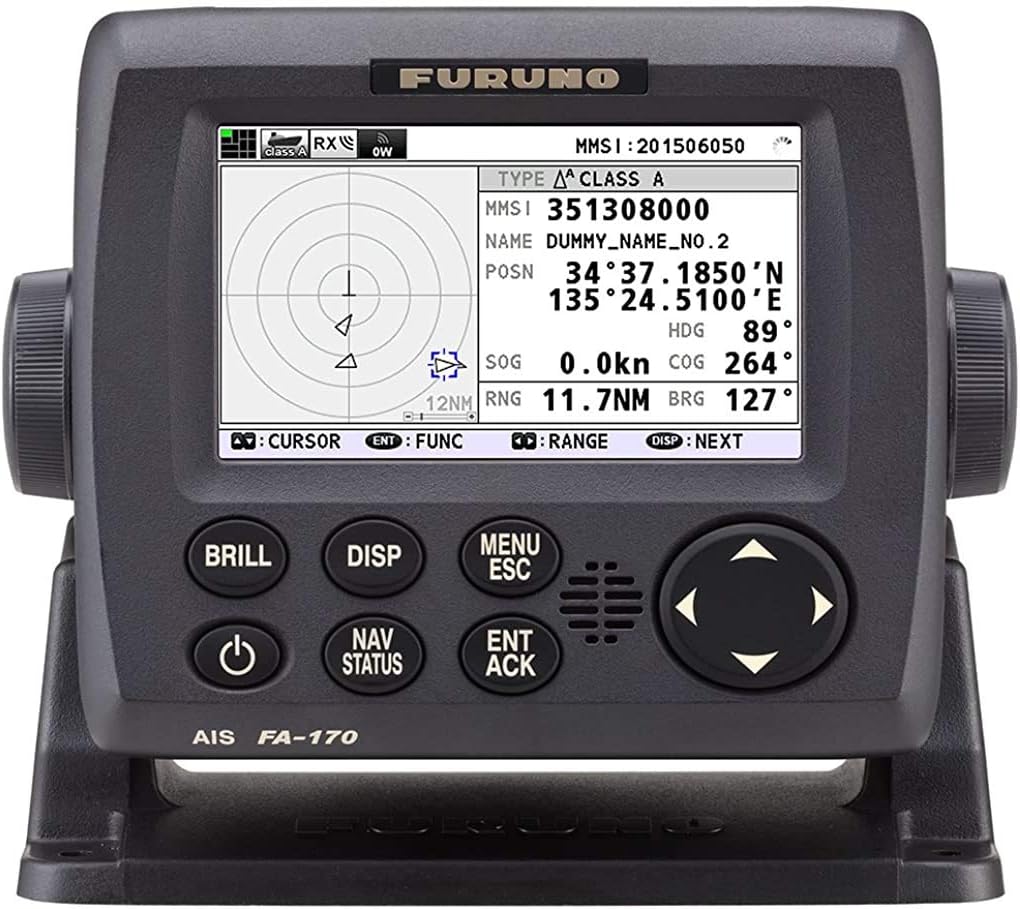
The Furuno FA170 represents the pinnacle of Class A AIS technology, intended for commercial or high-end recreational use. It offers superior range and priority transmission compared to Class B units. This ensures your vessel is seen first by other ships in busy waterways or congested ports.
We may earn a commission when you buy through this link, at no additional cost to you.
Key features include the ability to store up to 2,048 AIS targets and SARTs, which is vital for tracking complex traffic situations. The dangerous target list function automatically highlights risks, allowing the crew to focus on critical threats. Multiple ports ensure seamless integration into larger bridge networks.
The cost of this unit is substantial, making it a heavy investment for average recreational boats. Installation typically requires professional expertise due to the complexity of wiring and network configuration. These factors limit its accessibility to users with serious operational needs.
For commercial operators or large yachts where safety compliance is mandatory, this unit is unmatched. Its reliability and advanced features provide a level of situational awareness that saves lives. Investing in this system ensures your vessel meets the highest industry safety standards.
Class A signals take precedence over Class B in crowded maritime traffic scenarios.
Automated dangerous target alerts keep the crew focused on the highest risks.
We may earn a commission when you buy through this link, at no additional cost to you.
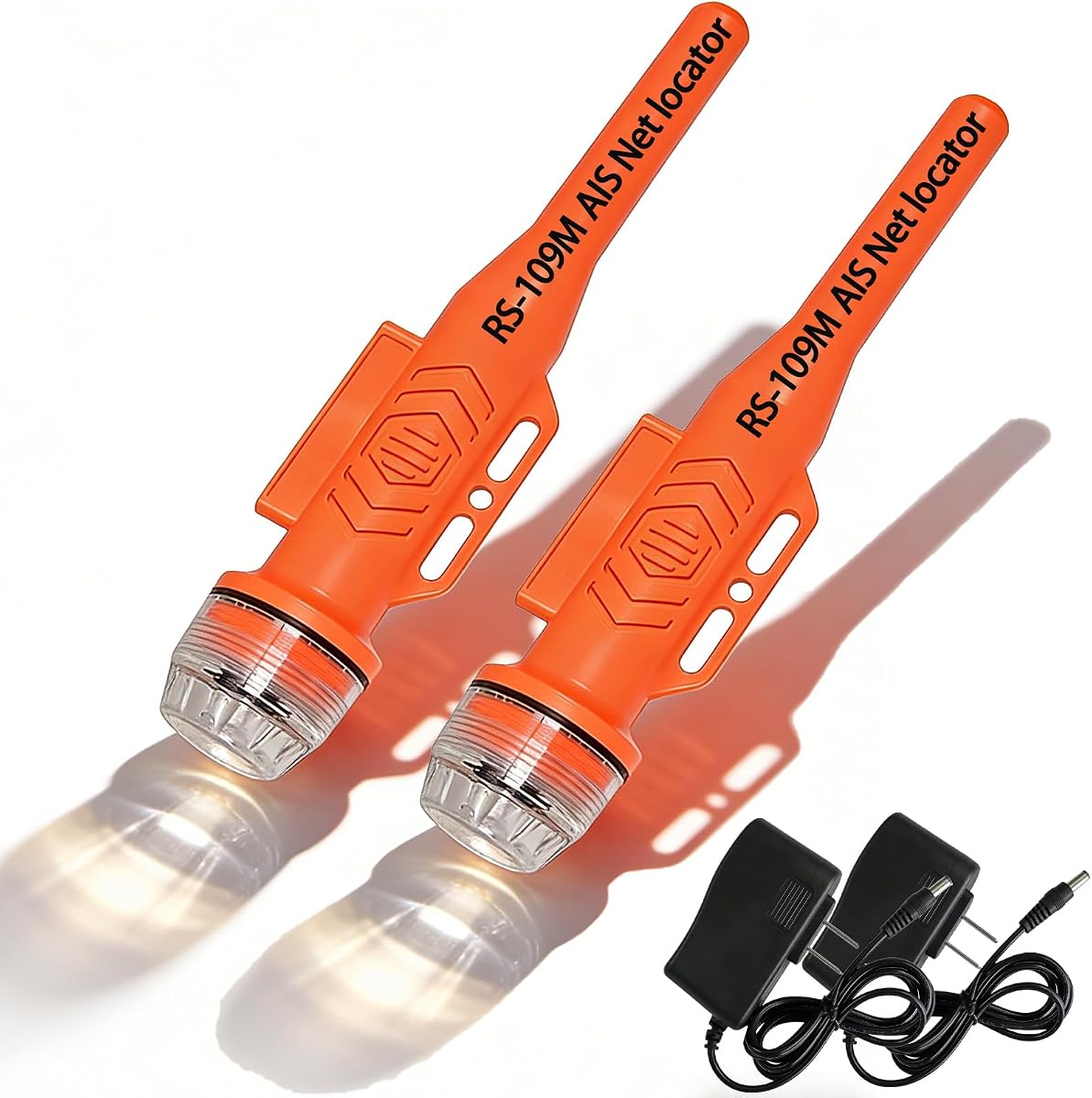
This RS-109M device is a specialized transponder designed for tracking net buoys rather than serving as a vessel-mounted AIS unit. It allows fishermen to monitor the status of their gear remotely. The device transmits GPS and battery data directly to onboard receivers for quick retrieval.
We may earn a commission when you buy through this link, at no additional cost to you.
Its IPX7 waterproof rating ensures it functions perfectly even when fully submerged during marine operations. The high-capacity battery supports two weeks of continuous signal transmission which reduces maintenance frequency. This longevity is essential for offshore fishing where gear may be deployed for long periods.
While excellent for buoy tracking, it is not intended to replace a standard shipboard AIS transponder for safety navigation. The range of 10 nautical miles is sufficient for local fishing zones but not for open ocean navigation. Users should understand its specific application before buying.
Fishermen and commercial netters will benefit most from this specialized tracker. It provides immediate awareness of buoy status and power levels without physical inspection. Ensure it meets your specific fishing operation needs before purchasing.
Transmits real-time location and battery status so you can track nets from shore or boat.
Fully sealed housing protects internal electronics against saltwater immersion.
We may earn a commission when you buy through this link, at no additional cost to you.
This bundle combines a VHF radio with AIS capabilities, offering a comprehensive communication solution for Raymarine users. It simplifies the setup process by including necessary accessories for installation. The integration ensures seamless data sharing between the radio and your navigation screen.
We may earn a commission when you buy through this link, at no additional cost to you.
The Raymarine ecosystem is known for reliability, and this bundle extends that quality to your communication gear. Having both VHF and AIS in one package can reduce clutter and installation time on the dashboard. It is particularly useful for new builds or major system upgrades.
Compatibility with existing hardware is key here; if your vessel uses a different brand of plotter, this bundle may not offer the best value. Additionally, bundling means you pay for components together which might limit flexibility. However, it ensures a tested compatible system.
Owners already invested in Raymarine electronics should find this bundle highly convenient. It supports safe communication and traffic monitoring in one streamlined package. Verify your existing navigation system supports the Raymarine protocol before purchasing.
Includes all necessary mounting accessories for a quick and clean setup process.
Works best with other Raymarine displays for unified navigation and comms data.
We may earn a commission when you buy through this link, at no additional cost to you.
This personal locator beacon is designed for individual safety rather than vessel navigation. It sends a distress alert on VHF frequencies visible to nearby vessels equipped with AIS. The Return Link Service confirms that rescue teams have received your signal, reducing anxiety during emergencies.
We may earn a commission when you buy through this link, at no additional cost to you.
Its small lightweight design allows it to be clipped to a life jacket easily. The 406 MHz COSPAS-SARSAT signal ensures global satellite coverage while the local 121.5 MHz homing signal aids precise location finding. NFC technology enables simple testing and battery checks via a mobile app.
It does not replace a shipboard AIS transponder for navigation purposes but complements it for crew safety. The battery life lasts five years, and it provides 24 hours of operational life after activation. However, activation is typically a one-time emergency event.
Every crew member should consider carrying one for offshore or solo sailing trips. It provides a critical layer of personal safety that standard AIS units cannot offer. Ensure you are comfortable with the clip system before deployment.
Alerts nearby boats directly via AIS channels for faster on-water rescue response.
Return Link Service provides peace of mind by confirming signal reception.
We may earn a commission when you buy through this link, at no additional cost to you.
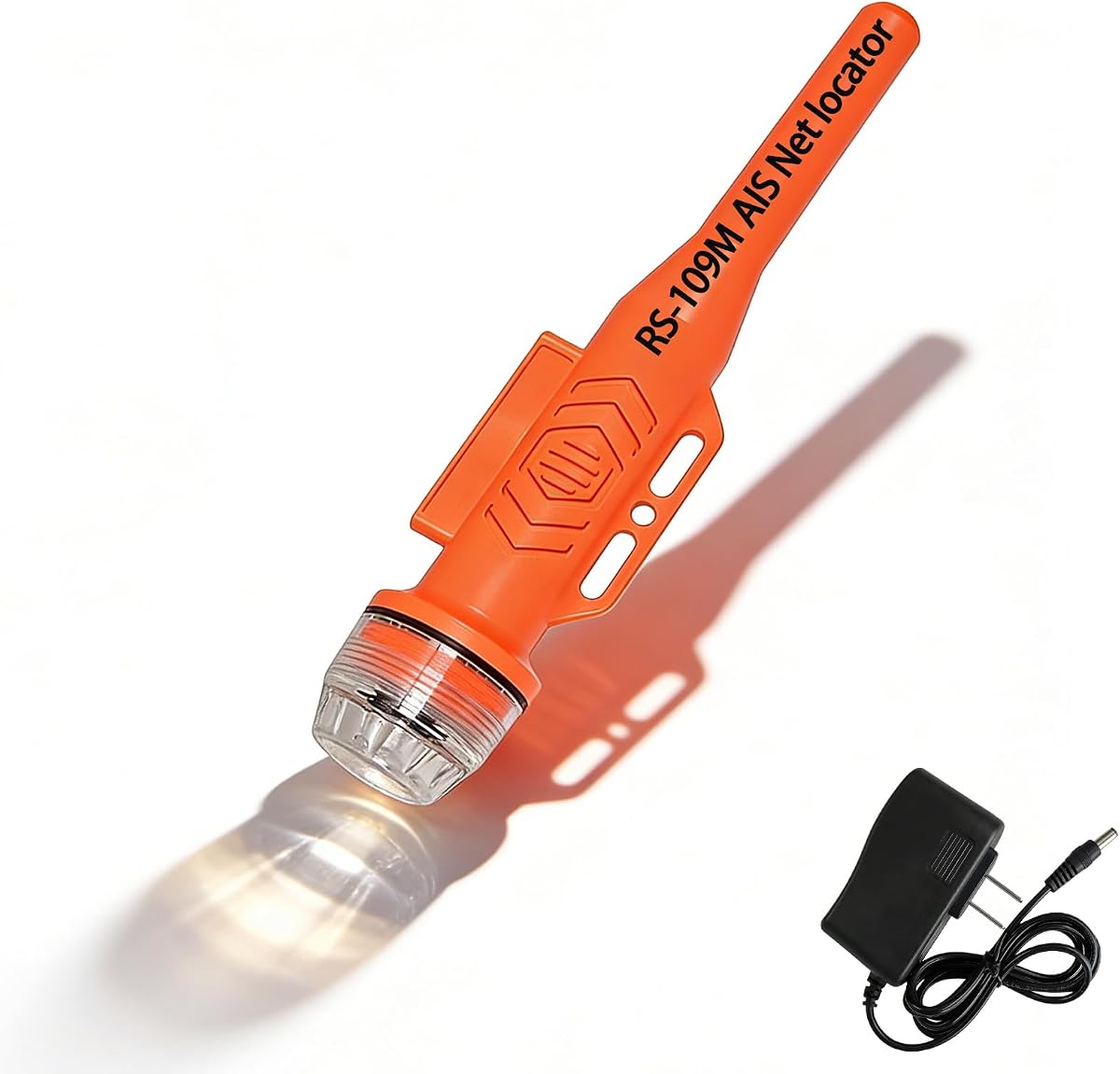
Similar to the two-pack version, this single unit offers the same robust buoy tracking features for smaller deployments. It ensures your fishing nets remain visible on your navigation screen. The device provides reliable GPS positioning with high sensitivity for accurate retrieval.
We may earn a commission when you buy through this link, at no additional cost to you.
The IPX7 waterproof design protects against harsh marine conditions ensuring longevity even after repeated immersion. Continuous signal transmission on VHF frequencies maintains a clear range of up to 10 nautical miles. This coverage is sufficient for most commercial fishing grounds.
It is strictly a tool for gear tracking and not for general vessel navigation. The single unit option offers flexibility for smaller operations that do not need multiple buoys. Always check the specific battery life under your actual usage conditions.
Fishermen looking for a reliable individual tracker will find this unit effective. It simplifies the logistics of net retrieval by keeping you informed of location and battery status. Ensure you have compatible receivers on your boat to view the data.
Delivers quick and precise location updates for reliable navigation and retrieval.
Long battery life reduces the frequency of checking and replacing power sources.
We may earn a commission when you buy through this link, at no additional cost to you.
This handheld VHF transceiver adds AIS receiving capabilities, allowing you to see nearby traffic on its screen. It integrates DSC safety features making distress calls fast and easy. Its portability makes it an excellent secondary or emergency communication device.
We may earn a commission when you buy through this link, at no additional cost to you.
The built-in AIS receiver displays vessel traffic directly on the device, enhancing situational awareness without needing extra gear. Loud 1500 mW audio output ensures calls remain intelligible even in noisy engine rooms or marinas. If dropped overboard, it floats and flashes to aid recovery.
It receives AIS data but does not transmit position data like a full transponder. This means it enhances your safety awareness but does not make you visible to others via AIS. It is best used alongside a fixed installation rather than as a primary unit.
Boaters needing a portable backup radio with safety enhancements will love this model. It combines voice communication with critical traffic data in a rugged package. Ensure you understand it is a receiver-only device for AIS visibility.
Combines VHF comms with AIS traffic display for enhanced personal safety at sea.
Class-leading speaker power ensures clear voice communication in harsh environments.
We may earn a commission when you buy through this link, at no additional cost to you.
This fixed mount VHF transceiver is designed for modern vessels equipped with NMEA 2000 networks. It provides seamless communication and AIS data sharing across your navigation system. The EVO series features advanced digital interfaces for improved user interaction and control.
We may earn a commission when you buy through this link, at no additional cost to you.
Compatibility with NMEA 2000 ensures that AIS data and position updates integrate cleanly with your chartplotters. This reduces clutter on the dashboard while centralizing critical data on your primary screen. The solid build quality ensures durability in harsh marine environments.
Installation requires a compatible NMEA 2000 backbone which may not exist on older boats. The advanced interface can be complex for those accustomed to simpler analog units. However, for modern systems it offers superior performance and integration options.
Modern boaters seeking a fixed unit that integrates fully with digital navigation systems will appreciate this model. It provides a reliable voice and data channel for professional-grade communication. Verify your network setup before installation.
Fully supports NMEA 2000 for centralized navigation and communication data.
Digital interface offers improved menu navigation and feature access.
We may earn a commission when you buy through this link, at no additional cost to you.
This Class B transceiver is designed specifically for Raymarine multifunction navigation display systems. It uses S-TDMA networking to ensure longer range and faster performance in busy waters. The built-in antenna splitter simplifies installation by sharing the VHF antenna with the radio.
We may earn a commission when you buy through this link, at no additional cost to you.
Compatibility with NMEA2000 and SeaTalkng allows for flexible integration into existing navigation networks. The design focuses on reducing cable clutter and installation time. It provides full transmit and receive capabilities for enhanced situational awareness and safety.
Users report mixed experiences with setup which may require technical knowledge of Raymarine protocols. It is best suited for those who already use Raymarine displays to avoid compatibility issues. The rating suggests checking recent reviews before purchasing.
Raymarine ecosystem users needing a solid Class B unit will find this effective. It provides essential AIS data for traffic monitoring and safety compliance. Ensure you have a compatible display to utilize all features effectively.
Built-in antenna splitter reduces wire clutter on the vessel's dashboard.
Supports multiple standards including SeaTalkng and NMEA2000 for broad integration.
We may earn a commission when you buy through this link, at no additional cost to you.
Selecting the right Ais Transponder involves understanding your vessel type, regulatory requirements, and navigation setup. This section breaks down the critical factors to consider before making a purchase decision.
Class A transponders are typically used for commercial vessels and broadcast with higher priority. Class B units are common for recreational boats and have a lower power output. Choose Class A if you operate larger craft or require strict regulatory compliance.
Most recreational boaters are well-served by Class B technology unless specific local regulations require Class A.
Units with built-in displays simplify installation by removing the need for a separate chartplotter. Standalone transponders feed data to existing navigation screens which is ideal for vessels already equipped with multi-function displays. Consider your existing hardware before choosing.
If you lack a dedicated navigation screen, a model with a display offers a self-contained solution.
Check whether the unit supports NMEA 0183 or NMEA 2000 standards. Modern vessels often require NMEA 2000 for seamless integration with digital systems. Older models may use analog wiring which requires adapters for newer displays. Ensure compatibility to avoid installation headaches.
Match the connectivity standard of your existing navigation system to ensure data flows smoothly.
Many units come with an integrated GPS receiver which simplifies wiring and installation. Others require an external GPS input which can be advantageous if you already have a dedicated receiver. Decide based on your preference for cable management and system design.
Integrated GPS is convenient for standalone units but external GPS offers redundancy for complex setups.
Fixed mount units provide permanent installation and stable power connections ideal for daily use. Handheld transceivers are portable and great for emergency situations or small boats without fixed electronics. Determine if you need permanent or temporary visibility.
Fixed units are standard for daily navigation while handhelds serve best as backup safety gear.
Check the power draw of the unit to ensure your battery system can handle it especially during long trips. Units with high-power transmitters may drain batteries faster if not managed properly. Look for efficient models that balance performance with power usage.
Select a unit with power requirements that match your vessel's electrical capacity and usage patterns.
Some units feature plug-and-play connectors while others require hardwired connections. Look for units with built-in antenna splitters to reduce the need for separate wiring. DIY-friendly models save time and money if you plan to install it yourself.
Units with integrated splitters simplify installation by reducing the number of separate components.
Basic Class B transponders are affordable but may lack advanced features like detailed screens. Premium units offer more data visibility and robust connectivity but come at a higher cost. Balance the features you need against your available budget.
Identify your must-have features to avoid paying for capabilities you will not use regularly.
Proper setup involves connecting the power and antenna correctly to ensure signal transmission. Most units require an MMSI number input during initialization for regulatory compliance. Follow the manufacturer's guide to enter these details accurately before powering on the device.
Regular testing ensures the unit remains functional. Use the test mode if available to check the battery and signal without broadcasting. For handheld devices, float testing may be required to ensure safety features work as expected.
Maintenance involves keeping the exterior clean from salt residue and checking cables for wear. If you have an external antenna inspect it for corrosion or damage periodically. Updating firmware when available can also improve performance and security.
Class A units broadcast with higher power and priority which is required for commercial vessels. Class B units use less power and are suitable for recreational boats. Class A is mandatory for larger ships while Class B is common for smaller craft.
Basic units can be installed by following the manual but complex wiring may require a professional. Ensure all connections are watertight to avoid corrosion. If unsure consult an authorized marine technician.
Yes AIS is an international standard used globally. However, power levels and frequencies vary slightly by region so ensure your unit is configured correctly for your area.
You can obtain an MMSI number from your country's licensing authority or local boat associations. Once acquired enter it into the unit during setup to comply with maritime regulations.
Yes AIS operates on VHF radio frequencies and does not rely on cellular or internet networks. It functions independently to transmit and receive data between vessels and shore stations.
Testing before each voyage is ideal. If not feasible test at least once a month to ensure all functions remain operational and accurate.
Most units will stop transmitting accurate data until the signal is restored. This can impact situational awareness so check GPS status regularly for safe navigation.
Yes portable handheld units with AIS receivers are suitable for small boats. They provide safety visibility without requiring permanent installation.
Our top picks include the Icom MA-510TR for comprehensive display features and the Furuno FA170 for professional-grade Class A performance. The Icom M94D offers a portable solution with built-in receivers for handheld users.
Prioritize connectivity and class standards that match your vessel's size and regulatory needs. Ensure your choice integrates smoothly with existing navigation hardware to maximize utility.
Prices and availability change frequently so check the latest details before purchasing. Verify current specs and support options to ensure a successful long-term investment.