
Sekonic L-398A Studio Deluxe III
4.6Editor score
Battery-free operation
Full dial readout
Swivel head design
This guide compares the top analog light meter options for photographers and filmmakers seeking reliable exposure tools without digital dependency.
Finding the right analog light meter can transform your photography workflow by offering reliable exposure readings without relying on batteries or screens. These devices provide instant feedback through mechanical dials and robust construction that stands up to professional studio and field demands effectively.
We have evaluated ten leading models based on their accuracy, build quality, and ease of use for both incident and reflected light scenarios. Each product was selected for its ability to deliver consistent measurements across various lighting conditions encountered in modern cinematography and still photography projects today.
Every pick in this list highlights unique strengths such as battery-free operation, swivel heads, or specialized accessories for different measurement needs. Please note that availability and pricing may vary over time so always check current listings before making your final purchasing decision for your gear setup.
4.6Editor score
5.0Editor score

3.7Editor score
This side-by-side comparison highlights key specifications and capabilities across all ten selected models to help you identify the right tool for your specific lighting measurement needs efficiently.

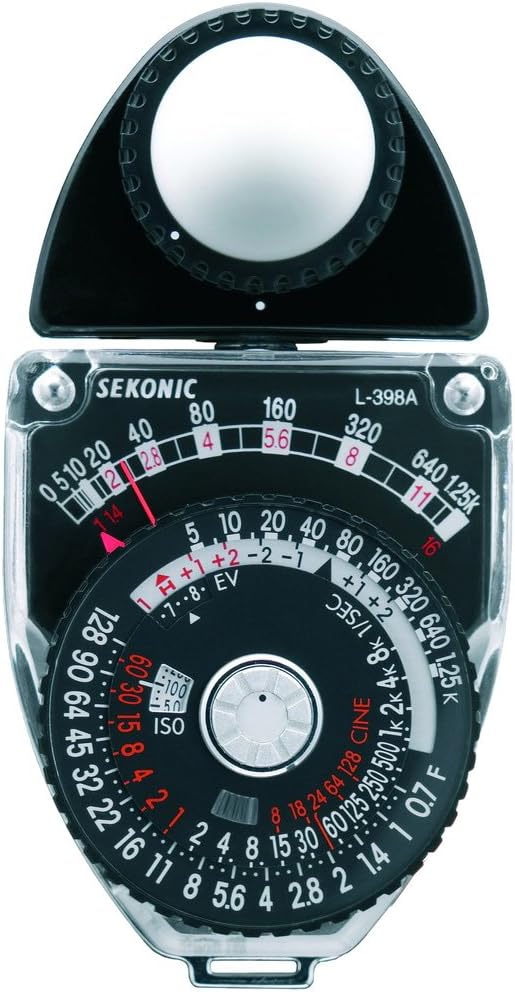


The Sekonic L-398A Studio Deluxe III stands out as a reliable analog light meter that eliminates the need for batteries entirely. With a strong rating of 4.6 stars, it offers photographers and cinematographers a timeless solution for measuring ambient light with precision and confidence in any environment.
We may earn a commission when you buy through this link, at no additional cost to you.
Its battery-free operation relies on an amorphous photocell that generates power from ambient light, ensuring dependable readings whenever you need them. The full dial readout allows you to see complete aperture and shutter speed combinations instantly, streamlining your workflow without navigating complex electronic menus.
While the lack of a digital screen might seem like a drawback to some, the analog design offers speed and simplicity that many professionals prefer. The learning curve is minimal once you understand how to align the dial with your ISO and lighting conditions for accurate exposure settings.
This meter is ideal for studio photographers and location shooters who value reliability and ease of use over digital features. We recommend it for anyone seeking a classic tool that delivers consistent results while maintaining a compact and durable build for years of professional use.
The integrated amorphous photosensor ensures you never miss a shot due to dead batteries, making it perfect for extended shoots or remote locations where charging is difficult.
The adjustable head design allows precise positioning of the incident dome while maintaining a clear view of the display, improving workflow during complex lighting setups.
We may earn a commission when you buy through this link, at no additional cost to you.
This digital illuminance meter offers an affordable entry point for those needing general light measurement without the cost of professional photographic tools. Rated at 4.4 stars, it provides a wide range from 0 to 200,000 Lux along with ambient temperature readings for diverse applications beyond photography.
We may earn a commission when you buy through this link, at no additional cost to you.
Its 4-digit color LCD screen delivers clear readings with features like MIN/Max data hold and auto power off to conserve battery life. The accuracy levels are suitable for office or factory use where exact exposure settings are less critical than general light intensity monitoring.
While it may not offer the specialized features required for professional cinematography, its versatility makes it useful for set design, home lighting checks, or plant growth environments. The compact design ensures portability, though the build feels more consumer-grade compared to studio equipment.
Consider this meter if you need a multi-purpose tool for environmental monitoring rather than precise photographic exposure. It provides solid value for casual users or technicians who need quick light and temperature data without investing in higher-end camera gear.
With a capacity to measure up to 200,000 Lux, this device handles everything from dim indoor lighting to bright outdoor sunlight effectively for various industrial and home uses.
The ability to measure ambient temperature alongside light levels adds extra utility for HVAC checks or environmental studies where both factors influence comfort or growth.
We may earn a commission when you buy through this link, at no additional cost to you.
Another variant of the popular Sekonic L-398A, this version comes with essential accessories like a case and strap for convenient transport. With a rating of 4.4 stars, it remains a favorite among cinematographers for its reliability in measuring both incident and reflected ambient light readings accurately.
We may earn a commission when you buy through this link, at no additional cost to you.
The 180-degree Lumisphere allows for general readings of three-dimensional objects, while the Lumidisc accessory enables selective area readings for more targeted measurements. The swivel head design is particularly useful when you need to hold down the metering button and walk the set to check light levels quickly.
Like other models in this series, it requires no battery, which simplifies operations during long shoots where power management is crucial. The compact analog design ensures you can carry it everywhere without adding bulk to your camera kit or lighting gear bag.
This model is perfect for film sets or studio environments where quick, accurate readings are necessary without the distraction of digital menus. We recommend it for professionals who value the classic workflow and robust build quality that has stood the test of time.
The swivel head allows you to maintain a clear view of the display while holding down the metering button, making it easier to check light levels on moving sets.
This package includes a strap and case along with Lumidisc and Lumigrid tools, expanding versatility for varied lighting measurement scenarios immediately upon purchase.
We may earn a commission when you buy through this link, at no additional cost to you.
The MT-92H stands out with its innovative split-sensor design that enables simultaneous measurement and monitoring with a separate probe for flexible positioning. Rated at 4.6 stars, it delivers high-precision light measurements from 0 to 200,000 Lux with a fast 500ms refresh rate to capture even subtle light changes quickly.
We may earn a commission when you buy through this link, at no additional cost to you.
Its dual measurement capabilities allow you to toggle between Lux and foot-candles, as well as temperature in Celsius or Fahrenheit, catering to diverse professional needs. The high-visibility backlit display ensures readability in total darkness or direct sunlight, making it useful for various indoor and outdoor inspections.
While it does require batteries unlike the Sekonic analog models, the standard 3xAAA configuration ensures reliable operation in most environments. The compact and durable design weighs just 188g, making it easy to carry for on-the-go inspections in factories or studios.
This meter is ideal for professionals who need quick, accurate illuminance data along with environmental monitoring capabilities. We recommend it for facility managers or set designers who require versatile readings without the complexity of specialized photographic exposure tools.
With instant 0.5-second refresh rates, you capture even subtle light changes that might be missed by slower meters, ensuring accurate data for dynamic lighting setups.
Seamlessly toggle between Lux/Fc and temperature units with a single button press, making it easy to adapt to different measurement standards and international requirements.
We may earn a commission when you buy through this link, at no additional cost to you.
This Dr.meter device delivers high-precision illuminance readings at a speed of two times per second, making it perfect for environments where light levels change rapidly. With a rating of 4.5 stars, it offers accurate light intensity data ideal for creating ideal growing environments for plants or checking office lighting.
We may earn a commission when you buy through this link, at no additional cost to you.
You can effortlessly toggle between FC and LUX units depending on your specific needs, ensuring precision without confusion. The PEAK data recording feature lets you lock in the highest light pulse value with a single press, which is useful for measuring brief high-intensity sources like lightning or laser beams.
A low battery alert keeps you prepared by displaying a symbol when the 9V battery runs low, ensuring you are never caught off guard during critical measurements. The versatile usage makes it suitable for homes, offices, factories, or any setting where sunlight intensity needs tracking.
Choose this meter if you need rapid, accurate readings for agricultural or general lighting checks. While it lacks advanced photographic features, its speed and simple interface make it a reliable tool for maintaining optimal light conditions in various daily applications.
Instantly lock in the highest light pulse value with the PEAK button, allowing you to capture brief high-intensity sources that might otherwise be missed by standard continuous readings.
Lightning-fast readings two times per second ensure you get accurate light intensity data quickly, perfect for dynamic environments or rapid adjustments needed.
We may earn a commission when you buy through this link, at no additional cost to you.
The Extech LT300 focuses on accurate light measurement for ensuring safe and efficient lighting in workplaces, studios, and labs. Rated at 4.3 stars, it captures reliable Lux and foot-candle readings up to 40,000 lux with a large backlit LCD display that makes readings easy to view in dim areas.
We may earn a commission when you buy through this link, at no additional cost to you.
Its cosine and color-corrected sensor provides accurate measurements across all lighting conditions, from natural daylight to fluorescent, LED, or industrial fixtures. Advanced functions like Min/Max, data hold, and zero adjustment let you log and compare readings with ease for smart lighting decisions.
The remote sensor capability allows for one-handed operation and comfortable use, whether you are inspecting high ceilings or difficult-to-reach spots. Its lightweight yet durable design with a protective sensor cover makes it ideal for on-the-go inspections in various facilities.
Consider this meter if you prioritize workplace safety and regulatory compliance over photographic precision. It is an excellent tool for facility managers or safety officers who need dependable data to maintain optimal lighting standards in professional environments.
The remote sensor capability ensures one-handed operation and convenience for both professionals and casual users when accessing difficult or hazardous locations.
The cosine and color-corrected sensor ensures accurate measurements regardless of the angle or type of light source, providing consistent data in all conditions.
We may earn a commission when you buy through this link, at no additional cost to you.
The Gossen Luna Pro SBC combines ambient and flash metering capabilities with a digital readout that displays EV values easily. With a rating of 3.7 stars, it offers a unique blend of features including a timer and alarm alongside temperature read out for comprehensive shooting support in various environments.
We may earn a commission when you buy through this link, at no additional cost to you.
Its digital readout in EV is designed to be transferred to a setting ring where all shutter speed and f-stop combinations can be read at a glance. This functionality appeals to photographers who want digital precision but prefer the tactile interaction of manual dials and settings on their camera.
While it has a lower rating compared to other models, it still serves well for those who require specific flash measurement options alongside ambient readings. The integrated clock features add utility for planning shoots, though the interface may take time to master compared to simpler devices.
This meter is best suited for photographers seeking a hybrid approach to exposure control without relying solely on camera LCD screens. We recommend it for users who appreciate the Gossen brand and need advanced flash metering in a compact, professional package.
The digital EV readout is easily transferred to a setting ring for quick access to all shutter speed and f-stop combinations at a glance during shooting.
Includes a clock with alarm and timer functions which help photographers stay organized and manage their session timing more effectively in busy studios.
We may earn a commission when you buy through this link, at no additional cost to you.
The Fluke 941 is recognized for its brand reliability and quality as a dedicated illuminance meter tester. With a high rating of 4.8 stars, it is designed for professionals who need a rugged and accurate tool for standard light measurements in demanding environments.
We may earn a commission when you buy through this link, at no additional cost to you.
As a Fluke product, it benefits from the company's reputation for durable construction and precise measurement capabilities. While detailed specifications are minimal in the product data, users appreciate its performance in verifying lighting compliance in industrial or commercial settings where safety matters.
This meter is less about photographic features and more about ensuring that lighting levels meet specific standards across various facilities. Its simplicity and focus on core measurement tasks make it an excellent choice for technicians and inspectors who prioritize longevity and accuracy over additional features.
Choose this tool if you need a trusted industrial-grade device for routine light checks and safety inspections. The high user rating reflects confidence in its ability to perform consistently over time without the need for frequent replacements or repairs.
The Fluke brand is synonymous with high-quality test equipment, ensuring this light meter provides trustworthy results in critical safety and compliance applications.
Designed as an illuminance meter tester, it focuses on delivering precise readings for industrial settings where maintaining specific light levels is a safety priority.
We may earn a commission when you buy through this link, at no additional cost to you.
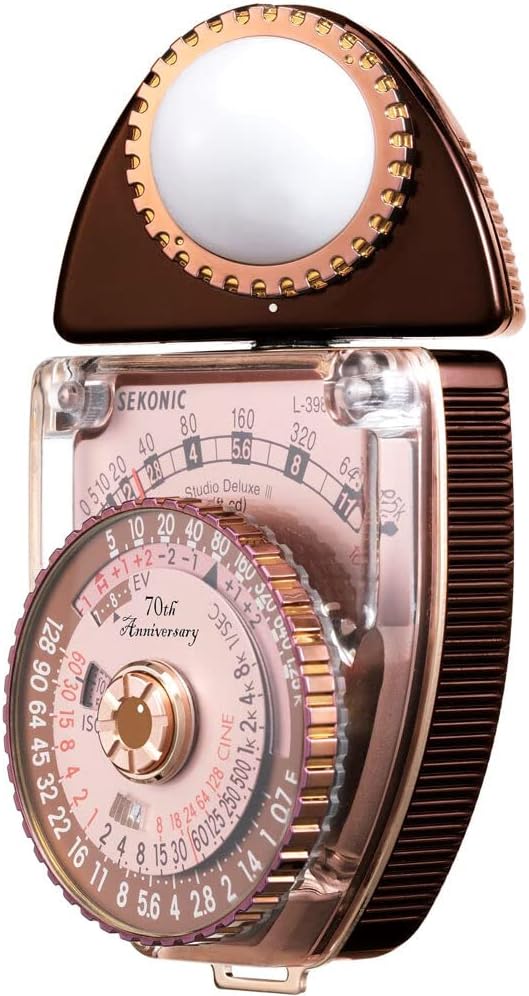
This limited edition model celebrates the brand's legacy with a perfect 5.0-star rating and premium construction that honors 70 years of craftsmanship. It provides an instant reading of the full range of aperture and shutter combinations, making it an excellent choice for professionals who demand accuracy and style.
We may earn a commission when you buy through this link, at no additional cost to you.
The instant reading capability ensures you can quickly identify the correct exposure settings without delay. Its design appeals to collectors and serious photographers who appreciate the history and reliability associated with this iconic tool in the industry.
While it comes with a higher price point due to its limited edition status, the quality and heritage it represents are unmatched by standard models. This version maintains the same core functionality as the classic models but adds a touch of exclusivity and refined build quality.
Consider this meter if you want a high-end tool that combines performance with a sense of occasion. It is ideal for those who value the prestige of a limited edition item alongside the dependable exposure readings that the Studio III series is known for.
This 70th anniversary edition pays tribute to decades of reliability with a premium finish that appeals to both working professionals and collectors.
Provides an instant reading of the full range of aperture and shutter combinations to streamline your workflow during fast-paced shooting scenarios.
We may earn a commission when you buy through this link, at no additional cost to you.
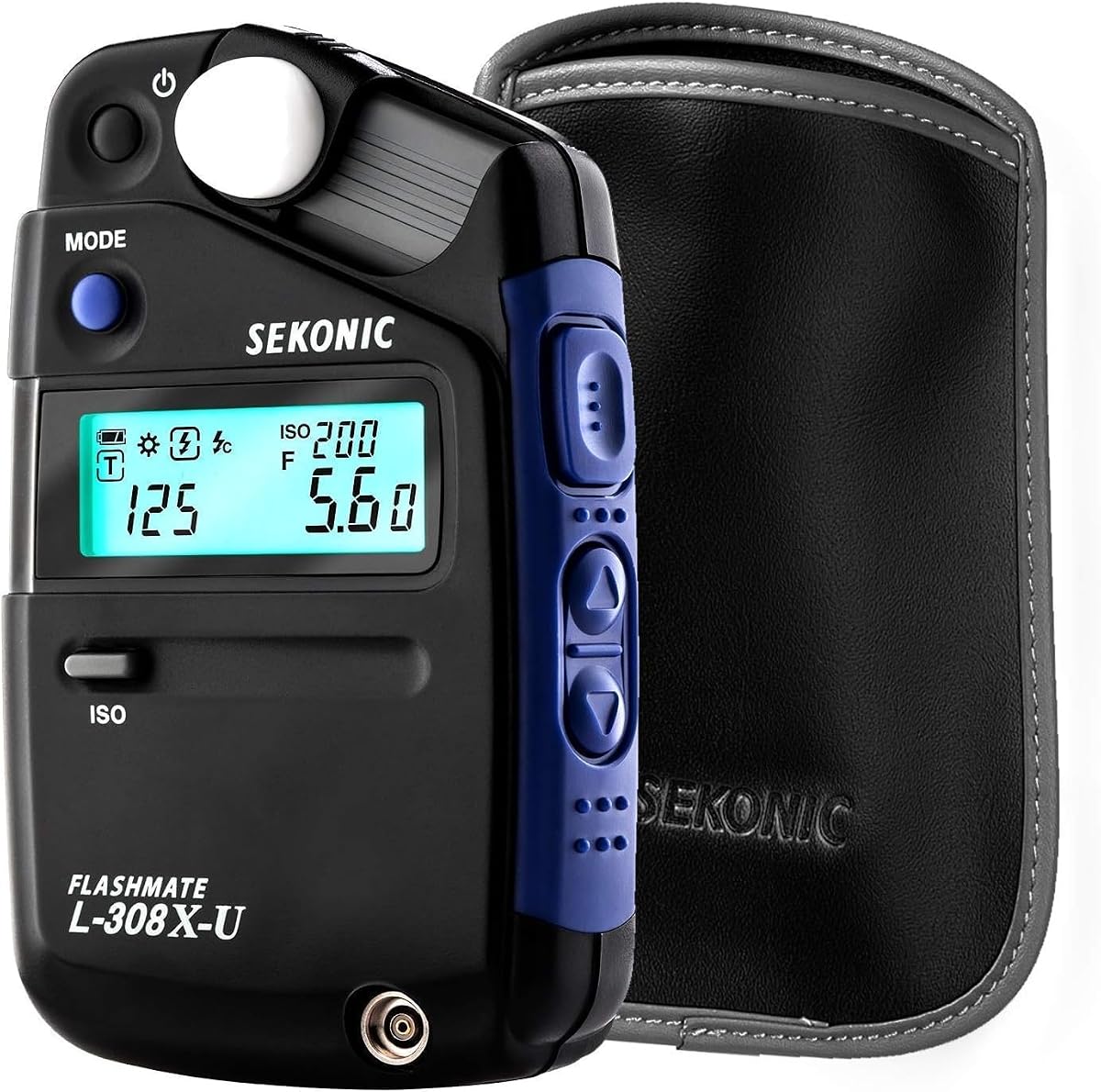
The Sekonic L-308X-U Flashmate is a compact digital incident and reflected exposure meter with specialized modes for photo and cinema. Rated at 4.7 stars, it delivers exposures accurate down to a tenth-of-a-stop for both ambient and electronic flash light readings in full-stop mode.
We may earn a commission when you buy through this link, at no additional cost to you.
Its HD Cine Mode is perfect for DSLR and mirrorless videographers who need to take exposure readings and control light using shutter speeds and frame rates. The meter also features an auto backlight LCD and illumininance measurement capabilities for versatile use across different shooting situations.
While it is a digital model rather than a traditional analog one, its pocket-sized design makes it easy to carry anywhere without sacrificing precision. The wide EV range ensures it can handle extreme lighting conditions from very dark scenes to bright daylight effectively.
This meter is ideal for hybrid shooters who need both still and video capabilities in one lightweight device. We recommend it for professionals who value accuracy and portability but want the convenience of digital modes for modern workflow requirements.
Perfect for DSLR and mirrorless videographers who need to take exposure readings and control light using shutter speeds and frame rates efficiently.
A compact pocket-sized design ensures you can carry the meter everywhere without adding bulk to your gear bag while maintaining high accuracy.
We may earn a commission when you buy through this link, at no additional cost to you.
Selecting the right analog light meter involves considering several key factors to ensure it meets your specific photography or filmmaking needs.
Battery-free meters use amorphous photocells to generate power from ambient light, ensuring you never miss a shot due to dead batteries. This feature is particularly valuable for long shoots or remote locations where recharging or replacing batteries is inconvenient or impossible.
Choose battery-free models if reliability and longevity are your top priorities and you prefer minimal maintenance during your workflow.
Incident meters measure the light falling on the subject using a diffuser dome, providing consistent exposure regardless of subject reflectivity. Reflected meters measure light bouncing off the subject, which can be affected by dark or light surfaces leading to exposure inconsistencies.
Look for meters that support both modes with interchangeable accessories like lumisphere and lumidisc for versatile measurement options across different scenarios.
A swivel head allows you to position the sensor precisely while keeping the display visible, which is crucial for complex lighting setups and walking the set to check levels quickly. This flexibility saves time and ensures accurate readings even in awkward positions.
Prioritize meters with adjustable heads if you often work in dynamic environments where quick adjustments and clear viewing angles are essential for efficiency.
Analog dial readouts provide instant visual feedback of aperture and shutter combinations without navigating menus, while digital displays offer more features like data logging. Analog dials tend to be faster and easier to read in varying lighting conditions without glare issues.
Decide based on your preference for speed and simplicity versus the additional data capabilities and features provided by modern digital interfaces.
Professional meters should have rugged construction capable of withstanding bumps and drops in studio or field environments. A sturdy body ensures the internal mechanisms remain calibrated over time despite heavy use or travel demands.
Check for materials and designs known for longevity, especially if you plan to use the meter daily in demanding professional settings where reliability is non-negotiable.
Accessories like lumigrid, high slides, and carrying cases expand the versatility of your meter for specific scenarios such as selective area readings or safe transport. Including these accessories can save you from buying extras separately later.
Select models that come bundled with essential tools to ensure you have everything needed for various lighting measurement scenarios right out of the box.
Choosing a well-known brand with a strong history in photography tools often guarantees better accuracy, calibration, and customer support. Established companies are more likely to provide parts or assistance if you need maintenance or repairs.
Favor brands with positive industry standing and proven track records to ensure you are investing in a tool that will serve you professionally for years.
Ensure the meter supports the ISO and shutter speed ranges you typically use in your work to avoid limitations when shooting in specific conditions. Some meters have wider ranges that accommodate both film and digital standards more effectively.
Verify that the meter can handle the full range of your equipment settings before purchasing to ensure full compatibility with your existing gear.
Start by setting your desired ISO value on the meter and selecting whether you want incident or reflected measurement mode depending on your shooting needs.
Position the meter near your subject facing the light source for incident readings, or aim the sensor at the subject for reflected readings to get accurate exposure data.
After taking the reading, read the aperture and shutter speed combinations from the dial or display and set your camera accordingly to achieve the correct exposure.
Not all of them. Models like the Sekonic L-398A use an amorphous photocell that generates power from ambient light, eliminating the need for batteries entirely. This ensures dependable operation anytime in studio or on-location environments.
Incident measurement measures light falling on the subject which is more accurate for exposure, while reflected measurement measures light bouncing off the subject which can vary based on surface color or reflectivity.
Yes, many analog meters support both ambient and flash measurements using specialized modes or accessories. Look for models that explicitly list flash metering capabilities in their specifications for this purpose.
Most analog meters are factory calibrated and do not require user calibration. However, you can verify accuracy by comparing readings with another trusted meter or under controlled lighting conditions if you suspect drift.
It depends on your needs. Analog meters offer simplicity and battery-free operation, while digital ones provide features like data logging and auto backlighting. Choose based on your workflow preferences and specific requirements.
Typically they include a lumisphere dome for incident light, a lumidisc for selective area readings, a high slide for testing contrast, a strap, and a soft case for protection and easy transport.
High-quality analog meters like the Sekonic Studio Deluxe are known for accuracy within plus or minus one-third stop which is sufficient for professional photography and cinematography applications.
The Sekonic L-398A Studio Deluxe III stands out as our top choice for its reliable battery-free operation and instant dial readout. For those seeking a premium limited edition, the 70th Anniversary model offers unmatched prestige while maintaining core functionality.
When prioritizing your choice, consider whether you value simplicity and longevity over digital features like data logging. The right meter should complement your workflow and provide accurate readings without adding unnecessary complexity to your shooting process.
Remember that availability and pricing may change so always check current listings before making your final purchasing decision for your gear setup.