
Canon EOS R50 Mirrorless Camera
4.5Editor score
24.2 megapixel CMOS sensor
Dual pixel CMOS AF II
4K video recording capability
This guide compares the top ten cameras for dental photography including intraoral and DSLR options to help professionals choose the best tool for clinical
Choosing the right camera for dental photography is essential for accurate diagnosis and patient communication. High-quality images help dentists document cases effectively and build trust with patients through clear visual evidence of treatment needs.
We evaluated ten diverse options ranging from specialized intraoral cameras to versatile DSLR and mirrorless systems. Our analysis focuses on image clarity, ease of integration with dental software, and overall workflow efficiency for clinical environments.
Each product in this list offers unique strengths tailored to different practice sizes and budgets. While prices may fluctuate over time, the features highlighted here remain critical for making an informed decision on your next imaging investment.
4.5Editor score
4.4Editor score

4.5Editor score
The following table provides a side-by-side comparison of all ten products to help you quickly identify key specifications and features that matter most for your dental practice needs.


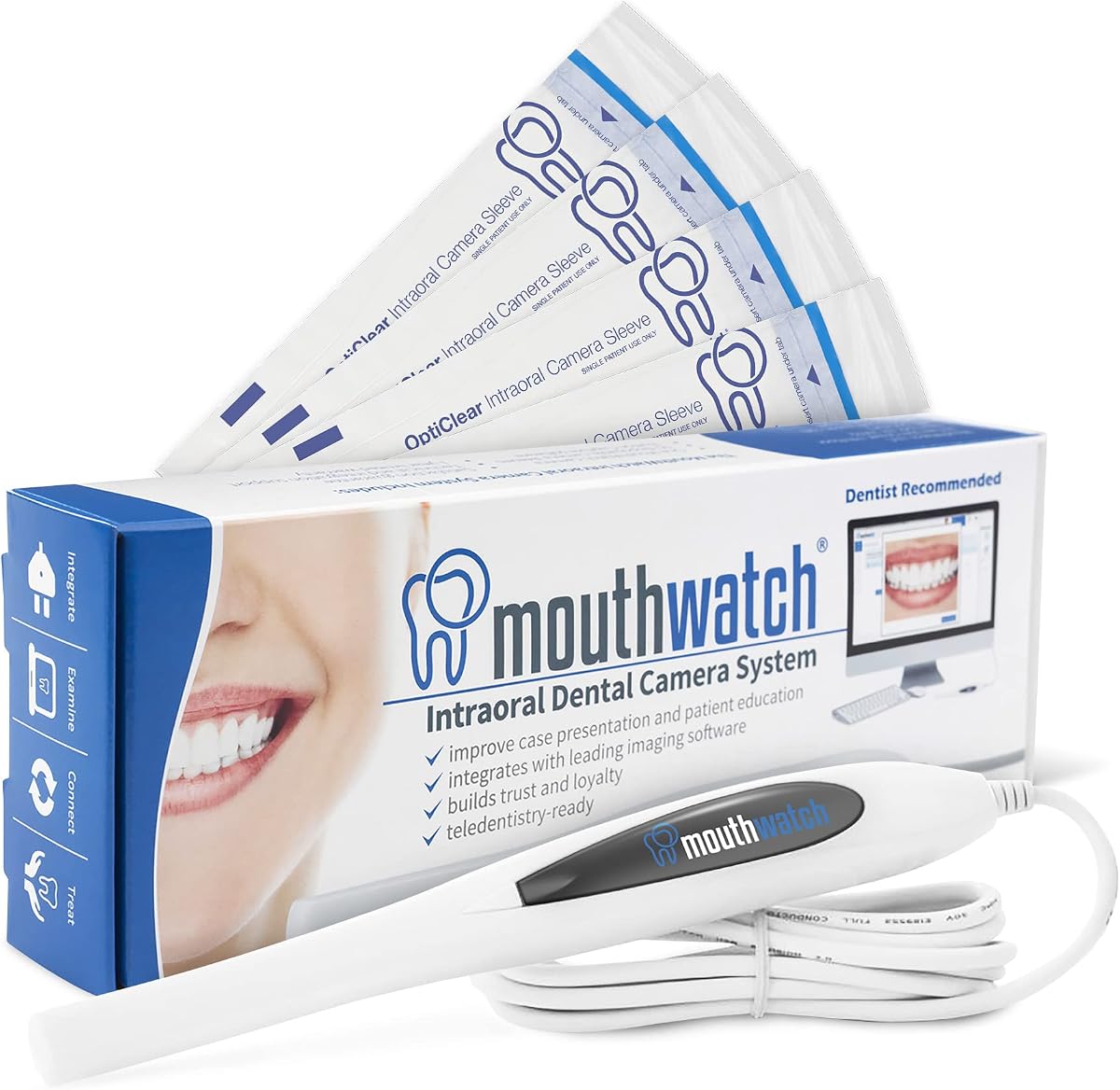
This intraoral camera stands out as a top choice for dental professionals seeking clarity and speed. With a rating of 4.4 stars it delivers crystal clear images that help patients understand treatment needs without lag or frustration.
We may earn a commission when you buy through this link, at no additional cost to you.
The single button operation streamlines workflows allowing dental teams to save images directly to patient charts without needing a mouse or keyboard. Compatibility with over 50 dental imaging suites ensures it fits seamlessly into existing practices like Eaglesoft or Dexis.
While the fixed focal distance means manual focusing is not required it may limit flexibility for certain angles. However the speed and clarity trade-off is acceptable for most routine clinical documentation needs.
Dentists prioritizing efficiency and patient communication should consider this model. It balances ease of use with professional image quality making it a reliable addition to any dental imaging setup.
Clear images help patients visualize treatment needs leading to better case acceptance rates during consultations.
Support for major imaging solutions ensures the camera works with your existing workflow without extra hardware.
We may earn a commission when you buy through this link, at no additional cost to you.
The Canon EOS Rebel T7 offers a versatile alternative for those preferring DSLR systems over dedicated intraoral tools. Its 24.1 megapixel sensor captures sharp details suitable for clinical documentation when paired with the right lens.
We may earn a commission when you buy through this link, at no additional cost to you.
Built-in Wi-Fi and NFC allow for quick transfer of images to tablets or smartphones for immediate patient review. The optical viewfinder ensures consistent framing even in bright dental office lighting conditions.
Using this camera for dental work requires investing in a macro lens to get close-up detail which adds to the total cost. The bulk may also be less convenient for intraoral shots compared to slim probes.
Practices looking for a general photography solution that doubles for dental imaging will appreciate this flexibility. It is a strong choice for those who value image quality and creative control.
The APS-C CMOS sensor provides vibrant colors and sharp details ideal for documenting fine dental structures.
Wireless sharing capabilities make it easy to transfer photos to patient records instantly without cables.
We may earn a commission when you buy through this link, at no additional cost to you.
This bundle provides a comprehensive starting point for dental photography using a DSLR approach. It includes essential accessories like a memory card and bag so you can begin shooting immediately upon arrival.
We may earn a commission when you buy through this link, at no additional cost to you.
The 24.1 megapixel sensor paired with the DIGIC 4+ processor ensures fast operation and reduced noise which is helpful for low-light scenarios in smaller dental operatory spaces.
While the bundle adds value you will still need to purchase a macro lens for true dental detail work. The weight might be a consideration if you plan to hold the camera overhead for extended periods.
New practitioners or those expanding their imaging capabilities will find this bundle offers great value. It removes the guesswork of selecting accessories separately while delivering reliable image quality.
Getting a memory card and bag in the box saves time and ensures you are ready to shoot right away.
The DIGIC 4+ processor delivers enhanced image clarity and reduced noise for sharper clinical photographs.
We may earn a commission when you buy through this link, at no additional cost to you.
The Canon EOS R50 represents a premium option for dental professionals seeking top-tier image quality in a compact form. Its 24.2 megapixel sensor and DIGIC X processor deliver stunning clarity for detailed clinical records.
We may earn a commission when you buy through this link, at no additional cost to you.
Advanced autofocus covers up to 100% of the frame ensuring you capture critical details even in tight spaces. The vari-angle touchscreen makes composing shots from unusual angles significantly easier than with traditional viewfinders.
While the camera itself is compact the cost of compatible RF lenses can add up. However the performance gains in sharpness and low-light handling justify the investment for serious practitioners.
If you prioritize image fidelity and modern features this mirrorless camera is an excellent choice. It bridges the gap between professional DSLRs and compact intraoral solutions.
Dual Pixel CMOS AF II with 651 zones ensures sharp focus on teeth and gums reliably every time.
Capable of 4K video allowing for dynamic patient education videos alongside standard photography.
We may earn a commission when you buy through this link, at no additional cost to you.
This bundle offers a powerful compact camera that can serve well for extraoral dental photography and patient education videos. The 20.1 megapixel sensor and ZEISS lens ensure vibrant colors and smooth tonal transitions.
We may earn a commission when you buy through this link, at no additional cost to you.
Built-in audio features make it easy to narrate case studies directly during recording which is useful for educational content or telehealth consultations. The product showcase mode helps keep focus on specific areas quickly.
It lacks the specific ergonomics needed for intraoral use so it works best for external shots or macro work on a table. The lens range might not be ideal for extreme close-ups without accessories.
Practices focusing on patient education or social media content will find this tool incredibly useful. It combines high video quality with still imaging capabilities in a portable package.
Three-capsule microphone system isolates voice clearly for professional narration without external gear.
Quick autofocus switching allows instant focus shift to the subject for detailed product views.
We may earn a commission when you buy through this link, at no additional cost to you.
This camera markets high megapixel and video specs at an accessible price point making it attractive for small practices on a budget. The dual lens design allows for flexible shooting angles from various perspectives.
We may earn a commission when you buy through this link, at no additional cost to you.
The large touchscreen makes framing shots intuitive and quick. With two batteries and a charging stand you can work through busy days without worrying about power depletion during patient sessions.
However the zoom is digital rather than optical which may result in reduced clarity when cropping images. It is best suited for general documentation rather than precise clinical analysis.
Dentists needing a basic camera for non-critical imaging might find this a useful tool. It offers decent features for the price but may lack the precision of professional systems.
Included spare batteries and charger ensure continuous shooting without frequent interruptions during busy clinics.
Intuitive touch controls simplify the shooting process making it easier to frame complex dental shots.
We may earn a commission when you buy through this link, at no additional cost to you.
The DY-50 offers a straightforward and cost-effective solution for dental practices needing basic intraoral imaging. It integrates easily with many North American imaging software without needing complex setup steps.
We may earn a commission when you buy through this link, at no additional cost to you.
The included capture button driver ensures functionality with major platforms like Dexis and Eaglesoft. Its ergonomic design allows for comfortable handling during extended procedures without causing hand fatigue.
While the resolution is lower than premium systems it provides sufficient detail for routine documentation. The lack of proprietary advanced software keeps costs low and setup simple for small clinics.
Budget-conscious clinics can rely on this camera for essential imaging tasks. It balances performance and affordability making it a solid entry point into digital intraoral photography.
Supports a wide list of imaging software ensuring it fits into your existing practice management ecosystem.
Designed for easy upper and lower capture with a comfortable button placement for steady shots.
We may earn a commission when you buy through this link, at no additional cost to you.
This camera brings a zoom feature and HD video output to the intraoral imaging category. It is designed to work with a wide range of software platforms through a reliable capture button driver.
We may earn a commission when you buy through this link, at no additional cost to you.
The 4X zoom allows for closer views of specific dental structures without moving the camera too close. This can help reduce discomfort for patients during sensitive examinations or procedures.
While it does not require a foot pedal for operation it is important to verify software compatibility before purchase to avoid integration issues. The video quality is solid for basic documentation purposes.
Practices needing zoom flexibility without a high investment should consider this model. It offers useful tools for patient visualization at a reasonable cost point for everyday use.
Built-in zoom allows for detailed views of teeth without extra lenses or complex adjustments.
Included drivers ensure the capture button works with most major dental imaging software seamlessly.
We may earn a commission when you buy through this link, at no additional cost to you.
This system combines a camera with a 17-inch touchscreen computer providing a self-contained imaging solution. The ultra-slim probe ensures comfortable handling during detailed intraoral documentation tasks.
We may earn a commission when you buy through this link, at no additional cost to you.
WiFi QR code functionality allows you to transfer photos instantly to any device without cables. This feature significantly speeds up the workflow when sharing images with patients during consultations.
While it requires more desk space than a simple camera it offers convenience with its built-in display. The plug-and-play design means minimal setup is needed to start imaging immediately upon unboxing.
Clinics looking for an integrated system that simplifies patient interaction will appreciate this tool. It reduces cable clutter and streamlines the process of showing patients their dental status.
The included touchscreen lets you view images instantly without needing a separate computer monitor.
Scan a QR code to send images to phones or tablets quickly improving patient communication speed.
We may earn a commission when you buy through this link, at no additional cost to you.
Lighting is critical for accurate dental photography and this kit provides essential illumination for better image results. It works with standard cell phones making it an affordable add-on to existing setups.
We may earn a commission when you buy through this link, at no additional cost to you.
The adjustable brightness allows you to tailor light levels to avoid glare on tooth surfaces. Omni directional shooting capabilities ensure you can light the mouth evenly from various angles during procedures.
While it is not a camera itself it enhances any device used for oral photography. The flexible bracket lets you position the lights precisely where needed for optimal clinical documentation.
Practices using smartphones for documentation will find this tool invaluable for improving image clarity. It bridges the gap between casual snapshots and professional clinical photography standards.
Adjustable brightness from zero to 100% allows precise control over lighting to reduce glare.
Fits most cell phones easily enabling high-quality imaging without dedicated camera hardware.
We may earn a commission when you buy through this link, at no additional cost to you.
Selecting the right imaging device involves weighing factors like image quality software compatibility and workflow efficiency. This guide outlines the key considerations to help you make an informed choice.
Resolution determines how much detail you can see in your dental photographs. For clinical documentation a higher resolution ensures that small features are visible and clear for accurate diagnosis.
Prioritize cameras with at least 20 megapixels or dedicated high-resolution intraoral probes to capture fine dental structures effectively.
Seamless integration with your practice management software saves time and reduces errors during image capture. Look for cameras that offer direct drivers or compatibility with your specific dental imaging suite.
Always verify that the camera supports your existing software before purchasing to ensure a smooth workflow without extra hardware.
A user-friendly design with simple controls like one-button capture can significantly improve daily efficiency in a busy dental practice. Complex interfaces may lead to longer setup times and reduced patient comfort.
Choose models with intuitive ergonomics and minimal setup steps to maintain focus on patient care rather than technical adjustments.
Modern dental practices often benefit from wireless features like Wi-Fi or Bluetooth that allow quick transfer of images to patient records or mobile devices. Wired connections remain reliable but can limit flexibility.
Consider cameras with wireless capabilities if you plan to review images with patients on tablets or smartphones immediately after capture.
Proper lighting and focus are crucial for capturing clear images inside the mouth. Cameras with built-in illumination and auto-focus capabilities reduce the need for external accessories.
Look for models with adjustable brightness and stable focus systems to ensure consistent image quality across different oral environments.
Weight and size matter especially if you move between treatment rooms or take equipment to different locations. A lightweight camera reduces fatigue during long procedures and enhances patient comfort.
Opt for compact and ergonomic designs that are easy to handle for extended periods without causing strain on the clinician.
The cost of dental cameras varies widely depending on features and brand. It is important to balance your budget with the features you need to avoid overspending on unnecessary capabilities.
Assess the total cost including accessories and software to determine the true value of the imaging system for your practice.
Reliable technical support ensures that any issues with the camera can be resolved quickly without disrupting your practice. Lifetime support or responsive service teams add significant value to your purchase.
Choose brands known for responsive customer service to ensure you have help available whenever you need assistance.
Before each use sanitize the camera probe according to manufacturer guidelines to maintain hygiene standards. Ensure the camera is properly connected to your computer or tablet to avoid interruptions during patient sessions.
Practice framing your shots before the patient arrives to save time. Position the camera carefully to capture the necessary details while ensuring patient comfort throughout the process.
After use clean the exterior of the camera with appropriate disinfectants. Store the camera in a protective case to prevent damage and ensure all components remain organized and accessible for future use.
The best camera depends on your practice needs but intraoral cameras are ideal for clinical accuracy. They integrate seamlessly with dental software and are designed specifically for oral imaging workflows.
Yes a DSLR with a macro lens can work well for extraoral imaging. However it may not be as convenient or precise for intraoral shots compared to dedicated dental cameras.
Most dental cameras require compatible software for best results. Check if the camera supports your existing practice management system before purchasing to ensure compatibility.
Clean the camera according to manufacturer guidelines using approved disinfectants. Always sanitize the probe before and after each patient to maintain high hygiene standards in your clinic.
With proper care a dental camera can last several years. Regular cleaning and avoiding drops or impacts will help extend the life of your imaging equipment significantly.
Some modern intraoral cameras offer apps or wireless features to work with smartphones. However dedicated apps may still be needed for full functionality and integration.
This guide highlights ten versatile options ranging from specialized intraoral systems to versatile DSLR choices. Whether you need high resolution or budget-friendly tools there is something here for every practice size.
Prioritize software compatibility and ease of use to ensure your imaging tool enhances rather than hinders your daily workflow. Clear communication with patients relies on high-quality images that build trust effectively.
Remember to check current pricing and availability as market conditions change over time. Investing in the right imaging technology now will pay off through improved diagnostics and patient satisfaction.