
Rokinon Cine DS DS85M-C 85mm T1.5 AS IF UMC Full Frame Cine Lens for Canon EF
4.5Editor score
Full Frame Coverage
T1.5 to T22 Range
Unified Gear Positions
This guide compares the top ten cine lenses for filmmakers seeking sharp optics, smooth focus, and reliable performance across various camera mounts and
Choosing the right cine lens can transform your footage from amateur to professional. These specialized optics offer precise manual control, consistent color science, and smooth focus rotation. Filmmakers value them for their ability to deliver cinematic depth and clarity.
We evaluated ten standout models based on optical quality, build durability, and versatility across mounts. Our analysis covers everything from budget-friendly primes to high-end zooms. Each selection aims to meet different production needs and budget constraints effectively.
Every pick highlights specific strengths like low-light performance or parfocal zooming. Note that availability and pricing shift frequently across retailers. Always verify current stock and warranty terms before finalizing your purchase decision today.
4.5Editor score
5.0Editor score

5.0Editor score
This side-by-side comparison highlights key specifications for each lens to help you find the perfect match for your camera system and shooting style.


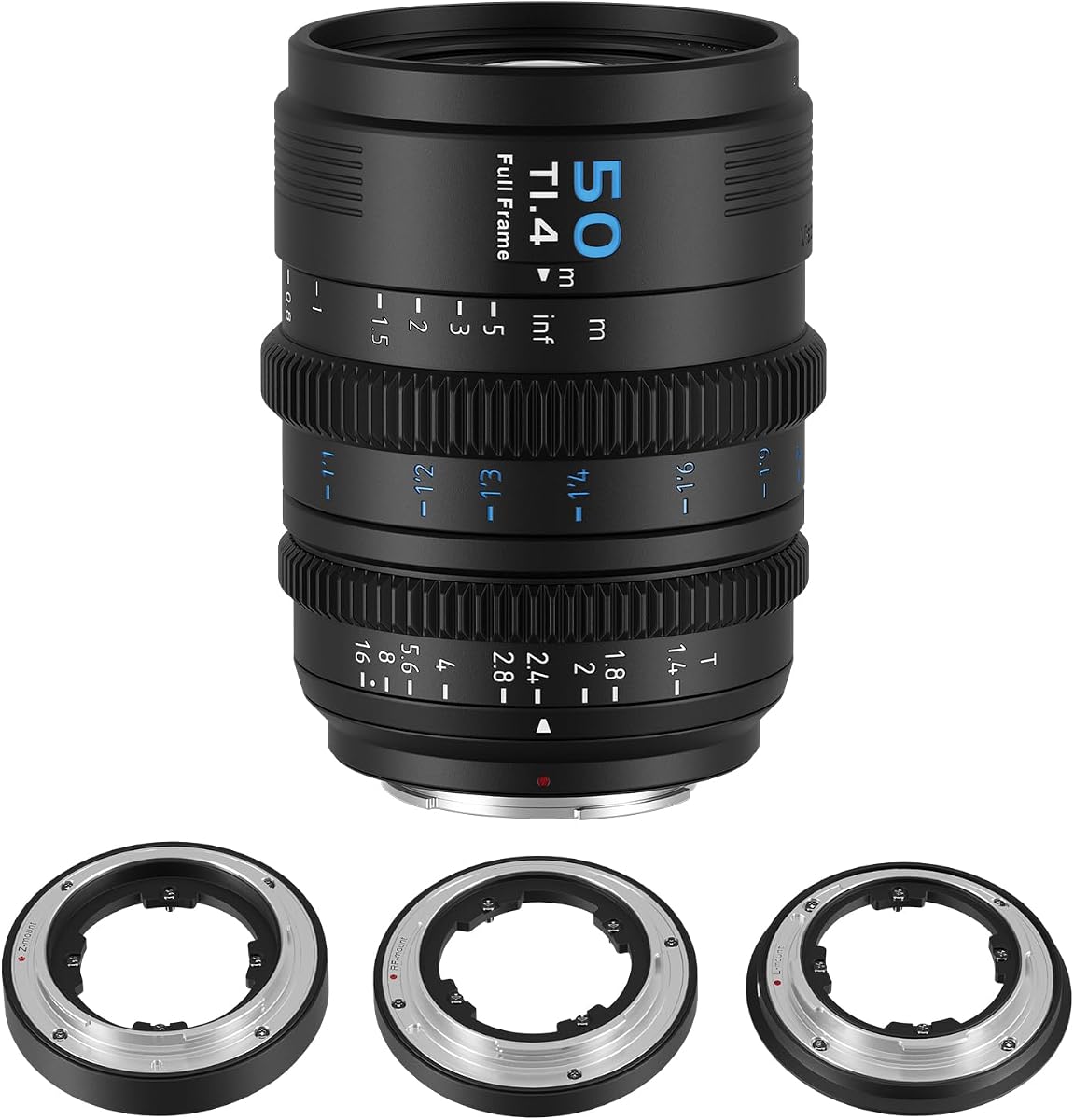


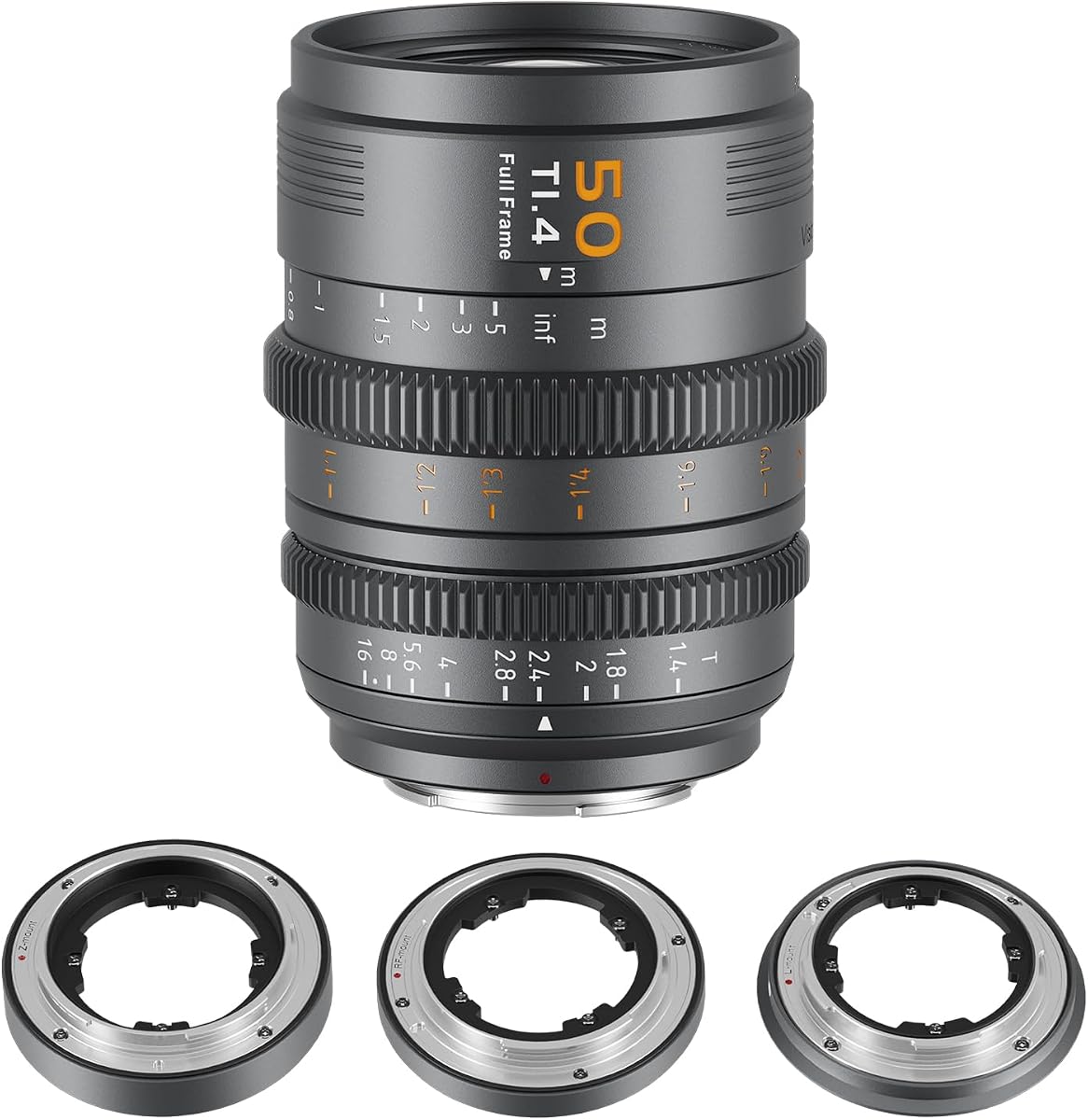
The SIRUI VP-1 Vision Prime 1 50mm T1.4 stands out as a versatile choice for modern filmmakers. Its perfect rating reflects exceptional performance across various cameras. The lens delivers sharp images with minimal aberrations.
We may earn a commission when you buy through this link, at no additional cost to you.
Its interchangeable mount system allows seamless switching between Sony, Canon, Nikon, and Panasonic bodies. This flexibility saves money by avoiding separate lenses. The T1.4 aperture ensures excellent low-light capability and beautiful bokeh effects.
While the need to swap mounts manually might slow down quick changes, the consistency in design helps maintain workflow. The lightweight build reduces strain during handheld shooting sessions significantly.
This lens is ideal for professionals needing adaptability without compromising optical quality. Whether shooting documentaries or narrative pieces, it provides reliable performance. It is a top recommendation for versatile production needs.
The interchangeable mount system supports E, RF, Z, and L mounts for maximum flexibility.
Engineered for 8K storytelling with advanced glass elements for edge-to-edge sharpness.
We may earn a commission when you buy through this link, at no additional cost to you.
The Rokinon Cine DS DS85M-C offers high-end features at a budget-friendly price. It is a solid entry point for aspiring filmmakers. The lens provides reliable optical performance for Canon EF mounts.
We may earn a commission when you buy through this link, at no additional cost to you.
Its T1.5 aperture allows for shallow depth of field and low-light shooting. The DS line ensures unified gear and aperture positions across lenses. This consistency simplifies rigging and workflow setup.
Although it is heavier than some mirrorless options, the build quality feels durable. The focus ring rotation is smooth for precise control. It balances cost and performance effectively for many users.
This lens is perfect for those building a cine kit without overspending. It delivers cinematic results suitable for interviews and portraits. It is a strong value pick for budget-conscious creators.
Unified gear and aperture positions simplify rigging across multiple lenses.
The 85mm focal length is ideal for flattering portraits and interviews.
We may earn a commission when you buy through this link, at no additional cost to you.
The DZOFILM Pictor 50-125mm T2.8 represents top-tier cinema optics. Its perfect rating highlights exceptional reliability and performance. It is designed for professional productions needing zoom versatility.
We may earn a commission when you buy through this link, at no additional cost to you.
The parfocal design maintains focus throughout the zoom range. This feature is crucial for dynamic shooting scenarios. The 16-slat iris ensures smooth and pleasing bokeh effects.
While expensive and heavy, the investment pays off in production value. It minimizes breathing during focus pulls. The robust construction withstands demanding set conditions effectively.
This lens is ideal for high-end narrative or documentary work. It offers the convenience of a zoom without sacrificing cine quality. It is a premium choice for serious filmmakers.
Maintains focus across the entire zoom range for continuous shots.
Compatible with standard cine accessories for professional setups.
We may earn a commission when you buy through this link, at no additional cost to you.
The ROKINON CINE DS T1.5 Cinema Lens Kit offers a comprehensive starting point. It covers essential focal lengths for varied shots. The bundle ensures consistent look and feel across scenes.
We may earn a commission when you buy through this link, at no additional cost to you.
Each lens features T1.5 speed for low-light and shallow depth. The color matching simplifies post-production grading workflows. Dual side scales assist with precise focusing during takes.
The kit is somewhat bulky compared to single primes. It is limited to Canon EF mounts which may require adapters. However, the value provided is significant for Canon shooters.
This kit is recommended for those needing multiple lenses quickly. It simplifies production by removing guesswork on color and build. It is a smart buy for EF camera owners.
Includes 24mm, 35mm, 50mm, and 85mm for most scenarios.
De-clicked aperture rings allow smooth adjustments during video.
We may earn a commission when you buy through this link, at no additional cost to you.
The SIRUI VP-1 Vision Prime 1 50mm is built for mobility. Its lightweight construction makes it easy to carry on locations. It delivers high performance without excessive bulk.
We may earn a commission when you buy through this link, at no additional cost to you.
The T1.4 aperture provides great low-light performance. The body matches other lenses in the set for consistency. It balances performance with ease of use well.
While the rating is slightly lower, the design remains practical. Mount swaps require extra care but offer flexibility. It is a good choice for travel work.
This lens suits independent filmmakers on the move. It offers professional features in a portable package. Consider it for runs or remote shoots where weight matters.
Weighs around 600g making it effortless for handheld stabilization.
Matches design and gear position across the VP-1 series.
We may earn a commission when you buy through this link, at no additional cost to you.
The Rokinon 35mm T1.5 Cine DS provides versatile framing for storytelling. It offers wide coverage while maintaining sharp optical quality. It fits well into Canon EF workflows.
We may earn a commission when you buy through this link, at no additional cost to you.
T1.5 speed allows for low-light performance and creative depth. The DS line matches with other lenses easily. It is a reliable option for documentary or narrative use.
The weight is manageable but can add up on smaller rigs. It requires EF mount compatibility which limits other options. Overall it is a practical choice for many.
This lens is recommended for those needing a standard wide prime. It balances cost and quality effectively. Consider it for scenes requiring environmental context.
63.1 degree angle of view on full frame cameras.
Color matched and unified gears with other Rokinon DS lenses.
We may earn a commission when you buy through this link, at no additional cost to you.
The SIRUI Night Walker 35mm T1.2 excels in dark environments. Its large aperture captures more light for cleaner images. It is designed for E mount users seeking performance.
We may earn a commission when you buy through this link, at no additional cost to you.
The T1.2 aperture helps reduce ISO noise in night scenes. The lightweight body makes it portable for various shoots. The optical performance maintains sharpness at maximum aperture.
It is limited to APS-C or S35 coverage. This means crop factors on larger sensors. However for dedicated users it delivers solid cinematic results.
This lens is ideal for night shoots or indoor scenes. It offers expressive imagery with smooth bokeh. Consider it for E mount shooters needing speed.
T1.2 aperture allows shooting in low light without high ISO.
Strong aluminum cine housing keeps weight around 500 grams.
We may earn a commission when you buy through this link, at no additional cost to you.
The SIRUI Night Walker 24mm T1.2 RF offers wide storytelling options. It captures landscapes and interiors with rich detail. The RF mount ensures direct connectivity for newer bodies.
We may earn a commission when you buy through this link, at no additional cost to you.
T1.2 aperture allows for low-light performance and shallow depth. The 0.3m close focus adds creative flexibility for details. The optical design minimizes breathing during focus pulls.
It is tailored for APS-C users which limits full-frame use. It is a specialized tool for specific needs. The build quality supports professional workflows well.
This lens is recommended for environmental storytelling. It balances width and light capability effectively. Consider it for RED or Canon R users on S35.
Wide 24mm perspective for dynamic cinematic storytelling.
Focus as close as 0.3m for immersive compositions.
We may earn a commission when you buy through this link, at no additional cost to you.
The SIRUI Night Walker 24mm T1.2 M4/3 is tailored for Micro Four Thirds cameras. It fits perfectly with popular bodies. The optical quality ensures sharp and clear imagery.
We may earn a commission when you buy through this link, at no additional cost to you.
T1.2 aperture allows low-light shooting without extra gear. The 12-blade aperture helps with smooth bokeh. It is lightweight and easy to handle on gimbals.
It is dedicated to M4/3 mount which limits versatility. For those systems it is a standout choice. The build supports professional video needs well.
This lens is ideal for GH6 or BMPCC users. It offers cinematic quality at a reasonable price. Consider it for dedicated M4/3 productions.
Specifically designed for BMPCC4K and GH series cameras.
12 aperture blades contribute to pleasing bokeh quality.
We may earn a commission when you buy through this link, at no additional cost to you.
The Rokinon DSX85 DSX 85mm is a reliable choice for portraits. It offers classic framing and smooth focus transitions. It fits Canon EF mounts with ease.
We may earn a commission when you buy through this link, at no additional cost to you.
T1.5 aperture allows for separation and low-light performance. The optical design ensures clean image quality. It is budget friendly compared to premium options.
The DSX line may limit compatibility with some rigs. It is manual focus only which requires practice. For many it is a solid choice for portraits.
This lens is recommended for interviews and character studies. It balances optical quality and cost well. Consider it for Canon shooters on a budget.
85mm focal length ideal for flattering subject isolation.
Optically constructed of 9 elements in 7 groups.
We may earn a commission when you buy through this link, at no additional cost to you.
Selecting the right lens depends on your camera, budget, and specific shooting needs. Here are key factors to evaluate.
Ensure the lens matches your camera system. Many options allow adapters but native mounts offer better integration and performance.
Check if the lens supports your specific camera brand and mount type before purchasing.
Lower T-stop numbers like T1.2 or T1.5 allow more light and shallower depth of field. This is vital for low-light and cinematic looks.
Prioritize faster apertures if you shoot in dark environments often.
Different focal lengths serve different purposes. Wide angles cover landscapes while telephotos isolate subjects. Consider what shots you need most.
Choose a length that fits your primary shooting style and framing requirements.
Cine lenses feature durable bodies and smooth gear mechanisms. Aluminum alloys often provide strength without excessive weight. Look for consistent quality across the set.
A sturdy build ensures longevity and easier handling during long shoots.
Prime lenses offer sharp optics and faster apertures. Zooms provide flexibility with parfocal options that maintain focus. Balance convenience against optical purity.
Choose zooms for dynamic scenes and primes for maximum image quality.
Minimal focus breathing ensures the image size stays stable during focus pulls. High-end optics control this well. Check reviews for breathing issues.
Opt for lenses with low breathing for professional smooth focus transitions.
Consistent filter threads simplify using the same ND or matte boxes. Mismatched threads require extra adapters. Check compatibility across your lens kit.
Standardize filter sizes to streamline your accessory workflow.
Lighter lenses help with handheld or gimbal work. Heavier ones may be more durable but harder to stabilize. Consider your support gear capacity.
Match the lens weight to your rig for comfortable handling.
Before mounting, clean sensor and mount contacts to prevent dust. Attach the lens securely and engage the locking mechanism properly. Always use a cap when not in use.
Adjust focus and aperture rings gently to avoid wear. Use support gear to handle weight properly during long shoots. Avoid rough handling or dropping the lens.
Store in a dry case to prevent moisture damage. Clean glass with a proper brush or cloth occasionally. Regular inspection ensures consistent performance over time.
A cine lens is designed specifically for video production with features like smooth manual focus rings, consistent gear positions, and reduced focus breathing. They prioritize cinematic performance over autofocus features.
Cine lenses offer smoother manual control and less focus breathing which is crucial for video. They may be heavier and lack autofocus but excel in cinematic look and build.
They are mostly manual focus but can work on autofocus bodies with adapters. Autofocus features may not function fully but optical quality remains excellent.
T-stop measures light transmission accurately while f-stop measures aperture size. T-stop ensures consistent exposure between different lenses which is essential for video consistency.
Choose the mount that matches your camera like EF for Canon or RF for mirrorless. Interchangeable mounts offer flexibility if you use multiple camera systems.
Yes, they can capture high-quality photos but lack electronic features. The optical quality is excellent but manual focus may be slower for stills.
The top picks offer a range of options from versatile primes to professional zooms. Consider your camera system and budget before deciding.
Prioritize features like aperture speed and build quality for your production needs. A well chosen lens elevates your cinematic storytelling significantly.
Check current availability and prices before purchasing. Always verify warranty and support to ensure long-term value.